
How Secondhand Fashion AI Recommendations Transformed My Thrifting Game
I found my first real treasure at a Goodwill in Albany, New York, when I was seventeen. It was a 1970s wool blazer with brass buttons, and it cost six dollars. I wore it until the elbows gave out, then patched them with fabric from an old tea towel. That blazer taught me something that no boutique ever could: clothes gain meaning when you know where they've been. So when I first heard about secondhand fashion AI recommendations, I was skeptical. Could a machine really understand the soul of a thrift store? I'd spent years developing an eye for the good stuff, and I wasn't about to hand that over to an algorithm. But curiosity won, and I decided to test the tools that claim to help you find vintage and secondhand pieces online. What I found surprised me.
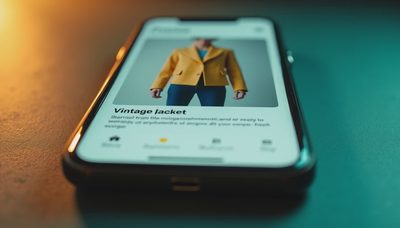
I started with a platform called Vinted, which uses AI to suggest items based on your past likes and searches. Then I tried Depop's recommendation engine, and a newer app called Vestiaire Collective that claims to personalize your feed. My first impression was that the suggestions were hit-or-miss. The algorithm kept showing me floral sundresses after I liked one, but I was looking for autumn-weight cardigans. Still, I stuck with it. I refined my preferences by marking items as favorites and skipping others, and over a few weeks, the recommendations improved. It felt like training a puppy—frustrating at first, but eventually rewarding.
Why I Was Skeptical at First
Thrifting has always been about the hunt for me. I love the smell of dust and mothballs, the thrill of spotting a cashmere tag buried under polyester, the quiet conversations with shop owners. The idea of letting an algorithm do the sifting felt like cheating. Plus, many AI tools seemed to prioritize trends over true personal style. In my early tests, I saw the same influencer-approved blazers and chunky sneakers everywhere. That's not what I wear. I'm drawn to things with history: a hand-stitched dress from the 1940s, a tweed jacket from a British university. Would a machine understand that? I wasn't sure.
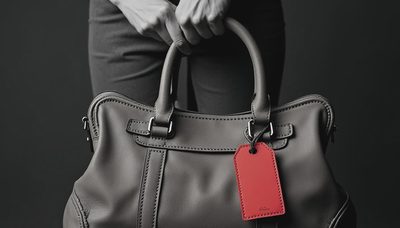
But then I discovered a feature within Depop called "Personalized Picks for You," which analyzes your activity across the app. After I favorited a few wool cardigans and a pair of leather loafers, the recommendations narrowed to preppy-meets-vintage items that actually matched my vibe. I also tried the "Style Similar" button, which surfaces pieces that resemble a saved item. That's when I found a 1970s suede bag that's now one of my most worn accessories. The key, I realized, was giving the AI clear signals about what I liked, not just clicking aimlessly.
How the Technology Actually Works (Without Being Creepy)
I'm not a tech person, so I did some digging. Most secondhand fashion AI recommendations rely on computer vision and collaborative filtering. Computer vision looks at the color, pattern, and silhouette of items you've liked. Collaborative filtering compares your behavior to other users with similar taste. Some platforms also incorporate text analysis of descriptions—so if you search for "1960s floral shirt," the AI learns to look for that era and print combination. What surprised me was that these systems don't actually see the objects the way we do; they just match patterns. That means they can't feel the weight of a fabric or recognize a genuine vintage label from a reproduction. But they can surface options you might never find on your own, especially across thousands of listings.
For example, on Vestiaire Collective, I once saved a 1980s Yves Saint Laurent scarf, and the app recommended a similar Hermès square from a different seller. I never would have thought to search for it, but it perfectly matched my closet. That's the power of AI: it connects dots you didn't see. Still, it's not magic. You need to curate your preferences actively—favorite items, skip irrelevant ones, and even follow sellers whose style you admire. The more data you feed it, the better it gets.

Real Results: Three Outfits AI Helped Me Build
After a month of using these tools, I have proof they work. Outfit one: a 1970s camel hair blazer from a seller in Paris, recommended by Vestiaire Collective. I paired it with Levis 501s and a thrifted silk blouse. The blazer cost $35 including shipping, and it feels like a treasure from another era. Outfit two: a pair of 1990s Doc Martens, suggested by Depop's "Style Similar" after I saved a pair of classic oxfords. They had scuffs and creases that told their own story, and I got them for $50. Outfit three: a 1960s beaded cardigan from Vinted, which I found after training the AI on my love for chunky knits. It's delicate and handmade, and I wear it over everything in the fall. Each piece has a story, and the AI helped me find them faster than I could on my own.
I still hit thrift stores every weekend—nothing replaces that tactile joy. But secondhand fashion AI recommendations have become a tool I use alongside my own eye. They save me time when I'm scrolling online, and they introduce me to sellers and items I wouldn't stumble across otherwise. For instance, the algorithm noticed I liked Norwegian sweaters and showed me a Danish seller with a whole collection of vintage knits. I bought two. My closet now has more depth, and my wallet is happier.
Making It Your Own: Tips for Using AI Recommendations
If you're curious about trying these tools, here's what I've learned. First, pick one platform and give it at least two weeks. Don't judge the suggestions after one session. Like, save, and comment on items to train the AI. Second, use specific search terms—think about eras, materials, and colors. The more detailed you are, the better the results. Third, follow sellers whose style you admire. Their inventory will influence your recommendations. Fourth, combine AI finds with thrifted and vintage pieces you already own. The magic comes from mixing old and new, high and low. Finally, remember that the algorithm is a guide, not a dictator. If it shows you something you hate, scroll past. Your taste will always be the final filter.
I used to think that thrifting was a solitary art, something you either had a knack for or didn't. But secondhand fashion AI recommendations have shown me that technology can enhance the hunt without replacing the joy. Now, when I open the Depop app, I don't feel like I'm handing over control. I feel like I have a research assistant who knows my closet better than I do. And that blazer from Paris? It has a new story now, written in Brooklyn with a cat named Hemingway purring beside me.
Wear your story.