How Stylish Secondhand Fashion Became My Style Signature
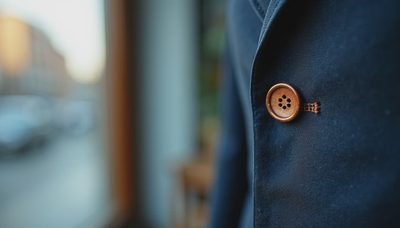
I remember the first time I walked into a thrift store on Atlantic Avenue in Brooklyn. It was a gray November afternoon, and I was looking for a coat. The store smelled like cedar and dust, and the racks were crammed with polyester nightmares and forgotten floral prints. But then I found it: a wool blazer from the 1980s, navy with gold buttons, fully lined, and priced at $12. That blazer marked the beginning of my love affair with stylish secondhand fashion. It taught me that clothes can have stories, and that being stylish doesn't require a designer label.
Stylish secondhand fashion is more than a budget hack. It's a mindset that values quality over quantity, uniqueness over trends, and stories over logos. When you wear a piece that someone else loved before you, you carry a little history with you. That blazer I bought that day? I wore it to my first job interview in the city, to a friend's wedding, and eventually to quit my office job. It became a witness to my life. That is the magic of stylish secondhand fashion: the pieces matter because of the moments they hold.
Where to Find the Best Pieces for a Stylish Secondhand Wardrobe
Finding truly stylish secondhand pieces takes patience and a little strategy. I've spent hundreds of hours hunting through racks, and I've learned a few things. Start with locations that offer curated selection, but don't overlook the chaos.
Goodwill bins — yes, the ones where you dig through piles — are goldmines for basics. I once found a cashmere sweater for $3. It had a tiny hole near the elbow, but a needle and thread fixed it in ten minutes. The key is to look for fabric first, brand second. Wool, linen, silk, and cotton hold up better than synthetics.
Estate sales are my secret weapon. I discovered them through a blog called Estate Sales NYC, and they changed everything. Families sell entire wardrobes, often from a single owner, so you find pieces that were worn and loved, not mass-produced. I scored a 1950s wool skirt, still with the original tag, for $20 at an estate sale in Park Slope. The woman who owned it had impeccable taste. I like to think she'd be happy knowing her skirt is still being worn.
Depop and Poshmark are excellent for filling gaps. If I need a particular item — say, a cream blouse with a pussy bow — I search there and narrow by size and condition. The key is to be specific: "silk blouse, size M, 1970s." You'll get results, and you can often message the seller for measurements. I've built a solid rotation of work-appropriate blouses this way, all for under $20 each.
How to Style Secondhand Finds So They Look Intentional, Not Random
The biggest challenge with stylish secondhand fashion is making it look cohesive. When your wardrobe comes from different eras and different closets, it can feel like a costume. But the trick is simple: anchor your outfit with modern basics.
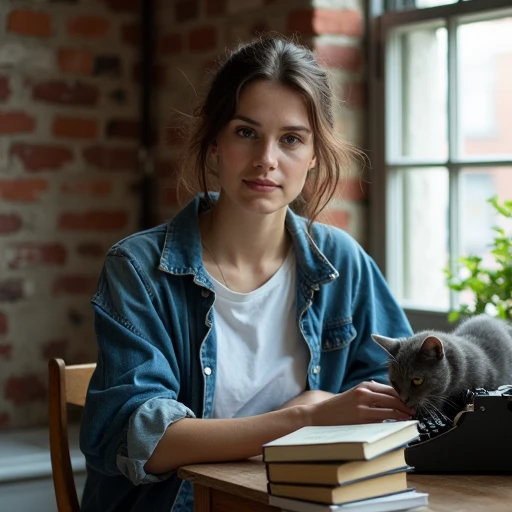
I wear my vintage blazers with plain white tee shirts and straight-leg jeans. The contrast between old and new creates a look that feels fresh, not dated. I also swear by tailoring. Even a $5 thrift store dress can look custom if the shoulders fit and the hem hits right. Find a good tailor. My guy in East Williamsburg charges $15 for a hem, and it's the best investment I make for my stylish secondhand fashion.
Another rule: limit colors. When you're mixing patterns and eras, stick to a neutral base and add one statement piece. That 80s blazer works because the rest of my outfit is simple. A floral skirt from the 1970s? Pair it with a black turtleneck and ankle boots. The result is intentional — it looks like you chose each piece with care, not like you raided a costume shop.
The Surprising Confidence That Comes From Wearing a Story
I've noticed a shift in how I feel when I wear secondhand clothes. There's a quiet confidence that comes from knowing my outfit is original. I don't worry about wearing the same dress as someone else at a party, because the person who owned it before me is long gone. My wardrobe is a collection of one-of-a-kind stories. At a recent dinner party, a woman complimented my skirt and asked where I'd bought it. I told her it was from an estate sale, and she asked for the address. That conversation — about vintage, about memory, about the joy of finding something beautiful that someone else took care of — is exactly what makes stylish secondhand fashion so powerful.
It also saves me money. I used to spend $150 on a new dress that would fall apart after two washes. Now I spend $15 on a dress that's already survived thirty years. The math is simple. But beyond the dollars, there's a deeper satisfaction. Every time I put on a piece of stylish secondhand fashion, I'm making a small choice to participate in a slower, more thoughtful way of living. I'm saying no to fast fashion and yes to quality, to sustainability, and to stories.
How to Start Your Own Stylish Secondhand Wardrobe
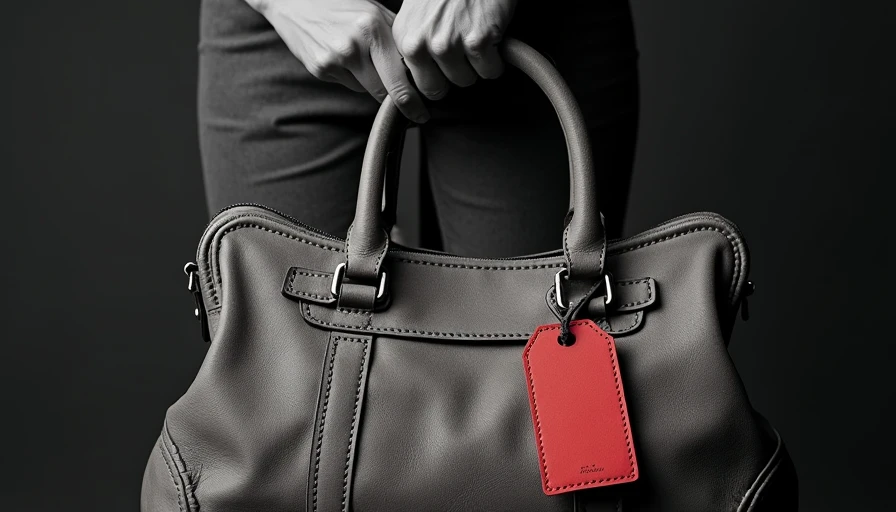
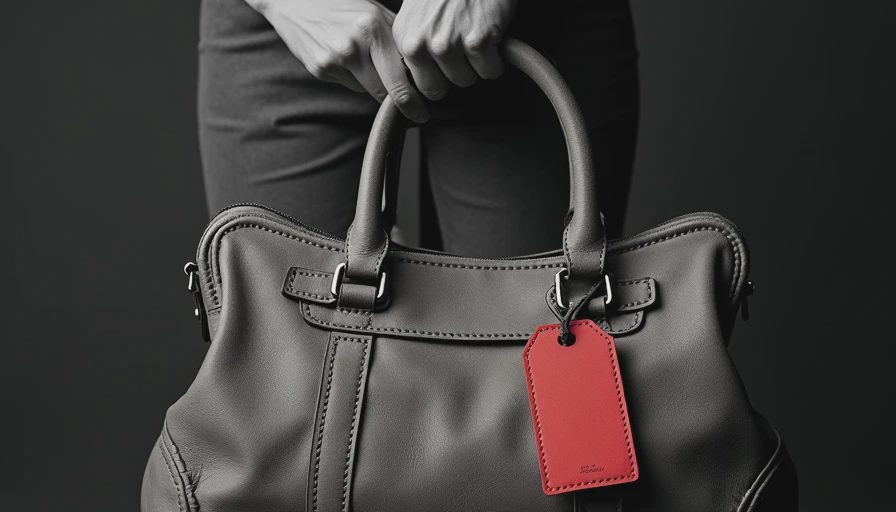
If you're new to secondhand shopping, start with one category: outerwear. A great coat or jacket is easy to thrift because they're often less worn. Look for wool, leather, or trench styles. Then move to accessories: silk scarves, leather belts, structured handbags. These small touches elevate any outfit and are abundant in thrift stores.
Join local Facebook groups for secondhand swaps. I've traded dresses for skirts, boots for bags. It's a community, and it's free. And always wash everything before wearing. Not just because of hygiene, but because the first wash makes the fabric feel yours.
Stylish secondhand fashion isn't about penny-pinching or wearing someone else's leftovers. It's about curating a wardrobe that expresses who you are, layered with the lives of others. It's about finding that perfect blazer for $12 and letting it become part of your story.
Wear your story.