
How to Buy Mens Suits Secondhand: A Thrifting Story
I still remember the first time I went to buy mens suits secondhand. It was a gray Saturday in March, and I was wandering through a Goodwill on Atlantic Avenue, aimlessly flipping through racks of polyester shirts and faded jeans. I wasn't looking for anything in particular—until I spotted a charcoal wool suit jacket nestled between a windbreaker and a velour tracksuit. It was a size 42R, slightly oversized on the hanger, but the fabric felt substantial. I bought it for $15, took it to a tailor, and it became the centerpiece of my wardrobe for the next two years. That jacket taught me that you don't need to spend a fortune to dress well. You just need to know how to buy mens suits secondhand.
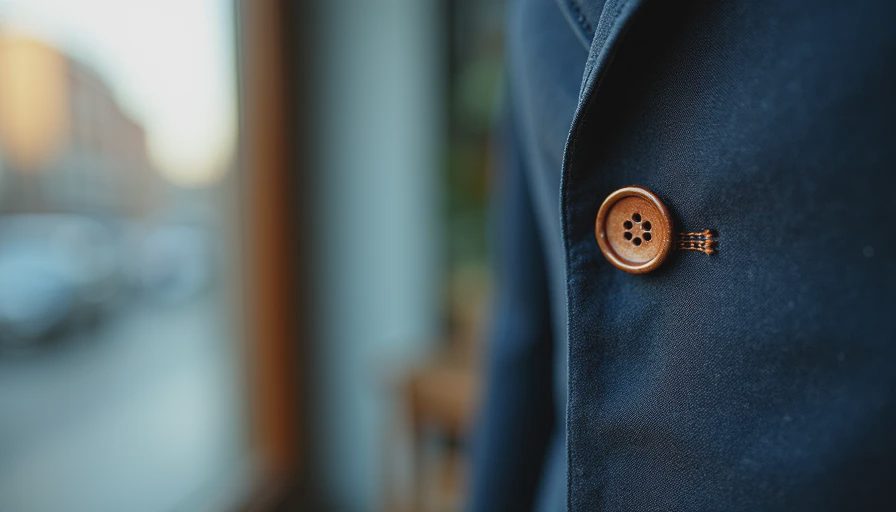
Why Secondhand Suits Are Worth Your Time
Men's suits are one of the best-kept secrets of thrift shopping. High-end brands like Brooks Brothers, Hickey Freeman, and even vintage Savile Row pieces frequently end up in donation bins because men tend to cycle through suits for work or weddings. But a well-made suit from thirty years ago can outlast anything you'd buy new at the mall today. The wool is heavier, the stitching is stronger, and often the cut is more classic—meaning it won't look dated in two seasons. When you buy mens suits secondhand, you're getting quality that would cost ten times more off the rack. Plus, there's the environmental benefit: keeping a perfectly good garment out of a landfill feels quietly rebellious.
Where to Find the Best Deals on Mens Suits Secondhand
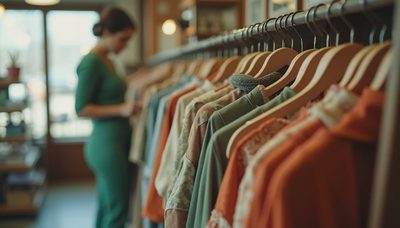
If you're just starting out, I'd recommend sticking to thrift stores in wealthier neighborhoods. Last year, I found a Canali suit at a Salvation Army on the Upper East Side for $25. (It had a small stain on the sleeve, but dry cleaning took it right out.) Estate sales are another goldmine—especially those listed as "professional closet cleanouts" on sites like EstateSales.net. You'll often find entire racks of suits from a single owner, which means consistent sizing and era. Online, eBay and Grailed have plenty of options, but I prefer seeing the fabric in person and trying on the jacket before I commit. When you buy mens suits secondhand in a store, you can check the fit, the lining, and any hidden damage that a photo might miss.
What to Look For When You Buy Mens Suits Secondhand
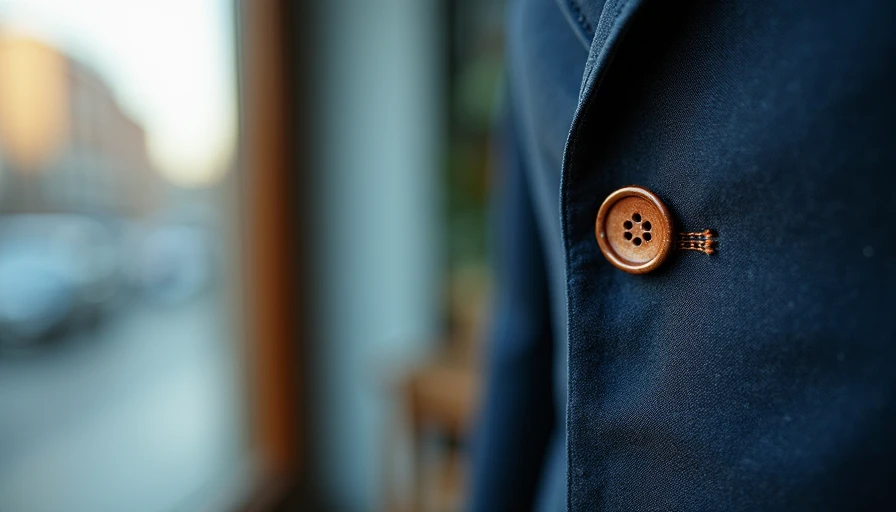
Know your measurements before you go. A suit jacket should fit across the shoulders first—everything else can be altered. Bring a soft measuring tape and check the chest width, sleeve length, and jacket length. For pants, look at the waist and inseam, but remember that taking in trousers is easier than letting them out. Check the fabric: hold it up to the light to see if it's worn thin at the elbows or knees. Inspect the lining for tears or unraveling at the hem. And always, always unbutton the jacket and check the underside of the collar—sweat stains are a red flag. If you find a suit that's 90% perfect, a good tailor can do the rest. That's the secret to confidently buy mens suits secondhand.
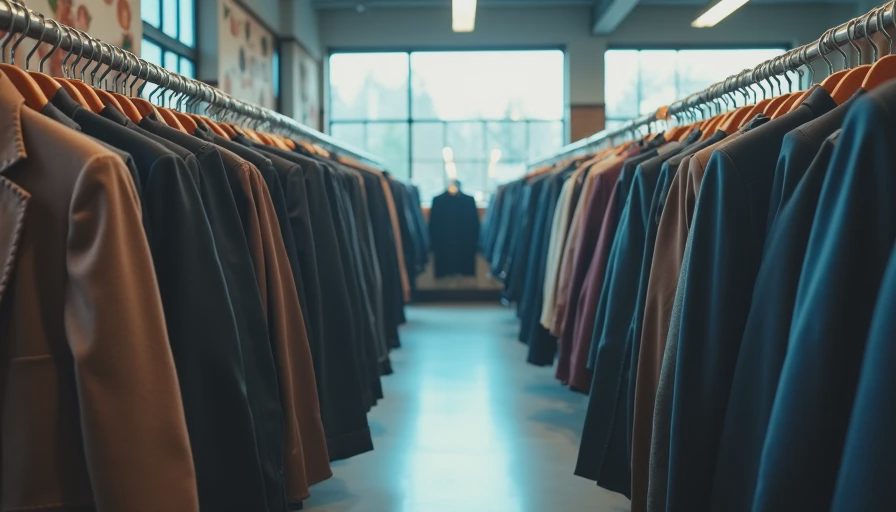
How to Tailor a Secondhand Suit to Perfection
A $20 thrift suit can look like a $2,000 custom piece with the right adjustments. The most important tailor fixes are: shortening the sleeves (the shirt cuff should show about half an inch), tapering the jacket sides if it's too boxy, and hemming the trousers to the right break. Expect to pay between $50 and $100 for a full suit alteration—still far less than buying new. I once found a two-piece navy suit at a Housing Works Thrift Shop in Brooklyn for $18. After $75 in tailoring, it fit like it was made for me. That suit has been to weddings, job interviews, and gallery openings. Every time I wear it, someone asks where I got it. "Thrifted," I say, and I watch their eyes widen.
Answers to Common Questions About Buying Men's Suits Secondhand
Is it worth buying a suit that's too big and tailoring it down? Yes, as long as the shoulders fit. Taking in the chest and waist is straightforward, but altering shoulders is nearly impossible and expensive. Focus on shoulder fit first.
How do I know if a suit is high quality when thrifting? Check the fabric composition—wool, wool blends, or linen are good. Turn the jacket inside out and look at the seams: a full canvas construction (the front of the jacket has a layer of horsehair) is a sign of better quality. Avoid suits that are entirely polyester.
Can I return a secondhand suit if it doesn't work? Most thrift stores have a no-return policy, so inspect carefully before buying. Online platforms like eBay often allow returns if the item is not as described, but you'll have to pay shipping.
What about dry cleaning and alterations costs? Budget at least $30 for dry cleaning and $50–$100 for tailoring. Even with these added costs, you're still spending far less than a new suit of comparable quality.
The Unexpected Charm of Men's Suits on Women
This might be a personal bias, but I think men's suits look incredible on women. The oversized shoulders, the roomy trousers, the sharp lapels—it's a silhouette that feels both powerful and effortless. Tuck the jacket open over a simple white tee, roll the sleeves twice, and cuff the pants with a pair of loafers. You've got a look that says "I didn't try too hard" but also "I know exactly what I'm doing." And because you bought it secondhand, you can afford to experiment with colors and patterns you might not risk new—a plaid tweed, a pinstripe in a unexpected shade, even a double-breasted blazer with gold buttons. When you buy mens suits secondhand, you're not just saving money; you're opening the door to a style that's uniquely yours.
Wear your story.