I still remember the first time I walked into a thrift store with intention. It was a rainy Saturday in Albany, and I had twenty dollars in my pocket. I left with a wool blazer that smelled faintly of cedar and a vintage silk scarf with a tiny stain I knew I could work around. That was ten years ago, and I haven't bought a single piece of new clothing since. Secondhand clothing fashion isn't just a trend for me — it's how I learned to dress like myself. When you shop secondhand, you stop asking "what's in style?" and start asking "what story does this piece tell?" That shift changed everything.
The Joy of the Hunt
Thrifting is a skill you develop over time. My best finds have come from unlikely places: a church basement sale in Greenpoint, a Goodwill in a wealthy suburb where someone donated a rack of J.Crew cashmere, and a tiny vintage shop in Red Hook where the owner told me the story of a 1960s beaded purse. The thrill isn't just about saving money — though I've built a wardrobe full of designer labels for under $50 total. It's about the hunt itself. You learn to run your fingers over fabric, check seams, and spot quality that mass-produced pieces never have. Last fall, I found a 1980s Pendleton wool skirt for $8. It had a small hole in the lining, but a few stitches and it was perfect. That skirt has accompanied me on subway commutes, first dates, and a weekend in the Catskills. Each time I wear it, I remember the rainy afternoon I found it.
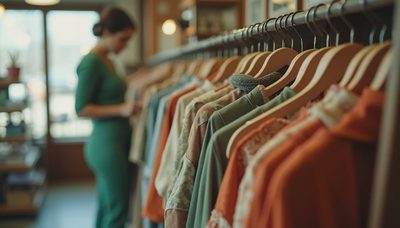
Secondhand clothing fashion teaches patience. You can't walk into a store and expect to find exactly what you need. You have to browse the racks, touch everything, and wait for a piece to speak to you. It's meditative in a way that scrolling through a website never is.
Styling Secondhand Finds for Everyday Wear
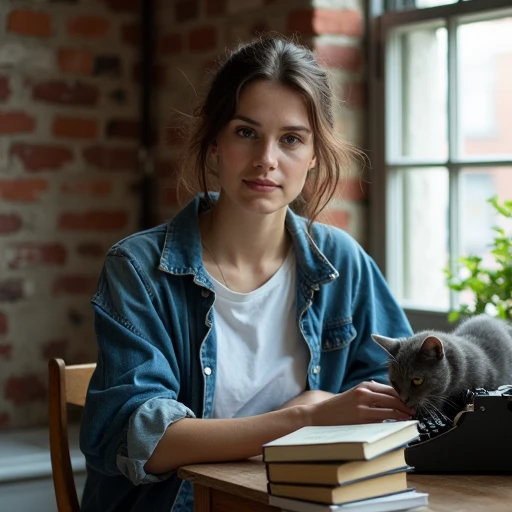
The biggest question I get from readers is: "How do you make thrifted pieces look intentional and not costume-y?" The answer is mixing them with modern basics. I pair my vintage blazers with simple white tees and jeans. I tuck in silk blouses that look like they're from the 1970s. I wear chunky grandmother sweaters with sleek leather sneakers. The key is contrast — let one vintage piece be the star and keep the rest minimal. For example, a floral prairie dress from the 1990s looks fresh with a modern denim jacket and ankle boots. A wool camel coat from a thrift store in Park Slope becomes timeless when worn with black trousers. The goal isn't to look like you walked out of a period drama; it's to make the past feel present.
I remember one outfit that got me a compliment from a stranger on the subway. A 1970s plaid blazer ($6 from a thrift store in Bushwick), a simple Uniqlo turtleneck, high-waisted jeans from Levi's (also thrifted, $20), and my favorite Doc Martens. The blazer had a slightly worn elbow patch that gave it character. That's what secondhand clothing fashion does — it gives your clothes personality that new items can't replicate.
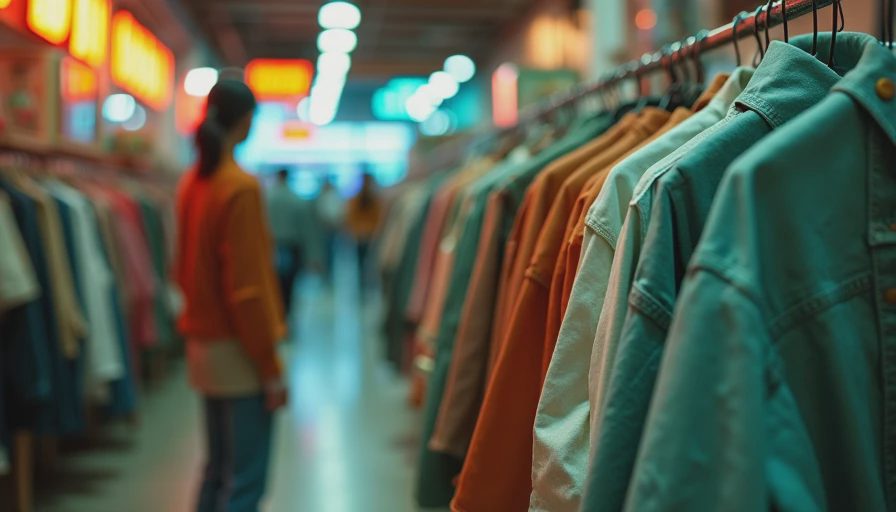
Another trick is to tailor things. Most thrift stores have a section that's practically brand new — people donate items they bought and never wore. I've found Banana Republic pencil skirts with tags still on. But the real gems are the ones that need a small alteration. Hemming a pair of trousers costs about $15 at my local dry cleaner. Taking in the waist of a dress is another $10. These small investments transform a borderline find into a perfect fit. Secondhand clothing fashion is as much about the hands-on work as it is about the shopping.
Why Secondhand Clothing Fashion Matters
Beyond the personal satisfaction, there's a bigger picture. The fashion industry is one of the largest polluters on the planet, and buying secondhand is one of the most direct ways to reduce your footprint. But I don't like to frame it in guilt — I prefer to think of it as voting for a different kind of economy. Every dollar I spend at a thrift store or on Depop is a dollar that says I value quality over speed, history over novelty. Plus, secondhand shopping keeps clothes out of landfills. According to the EPA, about 17 million tons of textile waste end up in landfills each year. Even buying one used piece instead of new makes a difference.
But the ethical argument only goes so far. What really keeps me coming back is the feeling. When I wear a dress that someone else wore to a wedding in 1992, I feel connected to a story I'll never know. That dress has lived a life before me. Secondhand clothing fashion is slow fashion by necessity — you can't buy fast when you're shopping for pre-loved pieces. And slow fashion, in my experience, is more satisfying. I'm not here to shame anyone who buys new — I still buy socks and underwear new, and once in a while a pair of sneakers. But for the core of my wardrobe, I choose secondhand.
Building a Wardrobe That Tells Your Story
Your clothes should reflect who you are, not what a retailer decided you should buy this season. When you buy secondhand, you curate a collection that is entirely yours. My closet tells the story of my twenties: the leather jacket I found at a flea market the week I moved to Brooklyn, the cashmere sweaters I collected during cold winters, the silk dresses I wore to gallery openings. Each piece has a memory attached. That's something no fast fashion haul can replicate.
I encourage everyone to start small. Try swapping a single new purchase for a thrifted one. Visit a local charity shop. Browse Poshmark or Depop for a specific item you need. Don't worry about perfection — the first few times might feel overwhelming. But once you find that one piece that fits perfectly and costs a fraction of its original price, you'll understand. Secondhand clothing fashion isn't just a way to shop; it's a way to live with intention.
Wear your story.