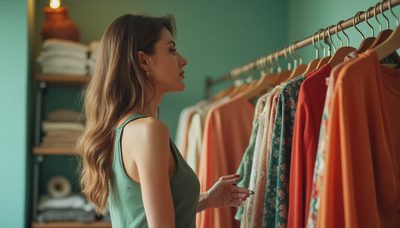
It started with a coat. I was browsing a consignment shop in Greenpoint last fall, running my fingers through a rack of wool and cashmere, when I spotted it—a vintage Burberry trench that had clearly lived a full life before landing here. The lining was frayed at the hem, but the iconic check was intact, and the tag read "authenticated secondhand luxury fashion." That phrase stopped me. I'd always been wary of buying designer pieces secondhand—too many fakes, too much risk. But this shop promised every item had been verified by experts. I took the coat home for a fraction of its retail price, and it changed the way I think about luxury.
Since then, I've become something of a convert. Authenticated secondhand luxury fashion offers a way to own beautifully made pieces without the ethical weight of new production or the financial sting of retail. It's not just about saving money—it's about finding things with a story, things that were loved before they came to me. And when you know they've been vetted for authenticity, the trust factor lets you shop with confidence.
Why I Turned to Secondhand Luxury
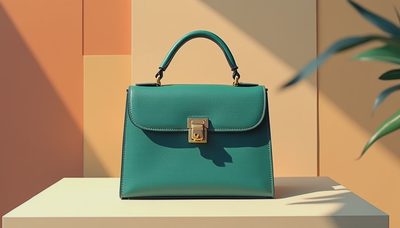
I've never been someone who flexes labels. My closet is a mix of thrift store finds, hand-me-downs, and the occasional splurge. But there are certain brands—Chanel, Saint Laurent, Bottega Veneta—whose craftsmanship I admire. The problem is the price tag. A new Bottega padded cassette bag retails for over $2,000. That's more than my rent. I couldn't justify it, no matter how much I loved the design.
Then I discovered the world of resale platforms that specialize in authentication. TheRealReal, Vestiaire Collective, and smaller boutiques like What Goes Around Comes Around all offer authenticated secondhand luxury fashion. The key word is "authenticated." They employ experts to check every piece—stitching, hardware, serial numbers, date codes. It's not a perfect system, but it's light-years beyond the gamble of buying from an unknown seller on Poshmark.
A friend of mine bought a "Louis Vuitton" Neverfull from a Facebook Marketplace seller for $300. It arrived with a crooked monogram and the smell of cheap glue. She lost that money. That's the risk without authentication. But when you buy authenticated secondhand luxury fashion, you're paying for peace of mind as much as the product.
How to Spot an Authenticated Secondhand Luxury Fashion Platform
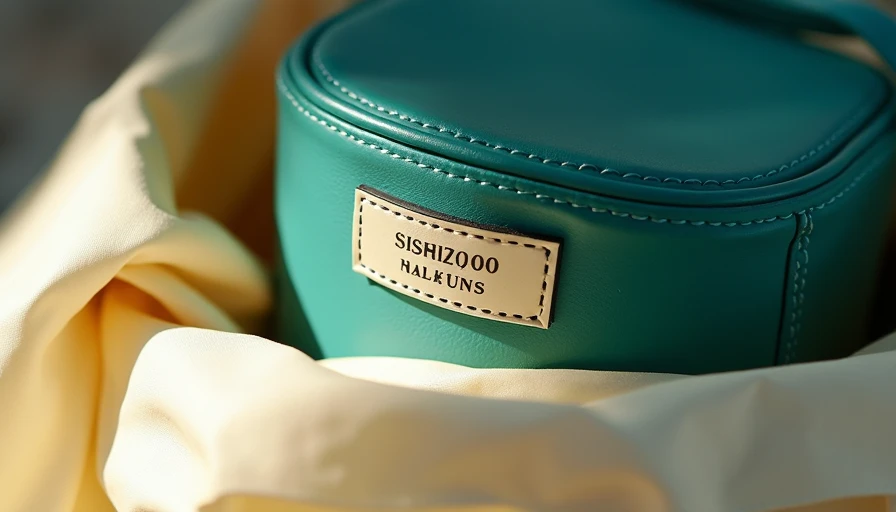
Not every site that claims "authentic" is trustworthy. Over the past year, I've learned to look for a few red flags and green lights. First, check the return policy. Legitimate authentication sites usually offer a return window of at least 14 days, often with a money-back guarantee if an item is later proven counterfeit. Second, read the authentication process description. Does the site explain who inspects the items? For example, TheRealReal has an in-house team of gemologists and brand specialists. Vestiaire Collective uses a two-step process: first a curator reviews photos, then an authentication team checks the item once it's shipped to their warehouse.
Third, look at the condition descriptions. Authenticated secondhand luxury fashion should come with detailed notes about wear—scratches on hardware, fading on leather, loose threads. If a listing says "excellent condition" without specifics, be skeptical. I always zoom in on photos. If the logo font looks off, or the "Made in Italy" stamp is crooked, I pass.
I also rely on community knowledge. There are Reddit forums and Facebook groups dedicated to authentication, where people post photos of potential purchases and get feedback from experienced collectors. It's not a guarantee, but it's a free second opinion. And when you're spending hundreds of dollars on authenticated secondhand luxury fashion, a second opinion is worth the time.
Where I Shop for Authenticated Secondhand Luxury Fashion
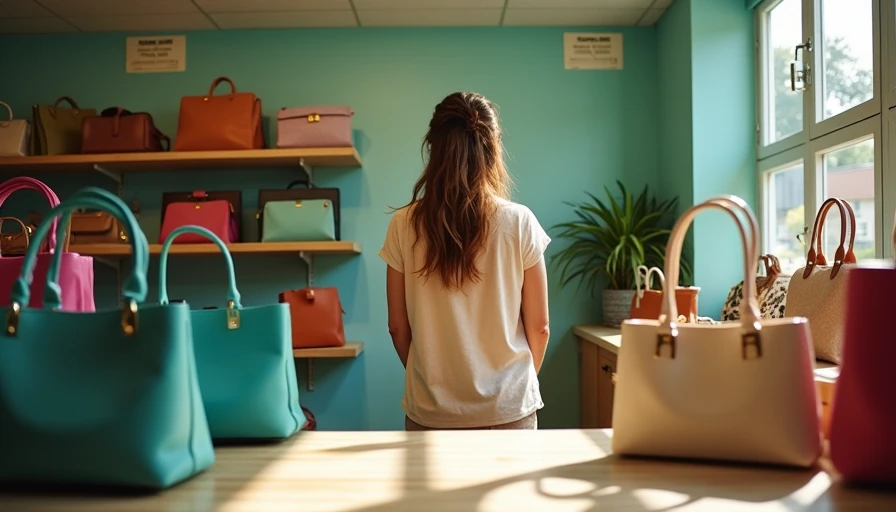
My go-to platforms have changed over the years. For high-end accessories, I prefer Vestiaire Collective because they have a strong European presence and a "buyer protection" policy that covers you if an item is later found to be counterfeit. For clothing, TheRealReal has a massive selection and frequent sales. I've scored a Stella McCartney blazer for $120 and a pair of Gucci loafers for $200—both authenticated.
But there are also smaller players I love. What Goes Around Comes Around in SoHo is a brick-and-mortar store that also sells online, and they have a reputation for being incredibly thorough with authentication. I once bought a 1990s Chanel bag from them, and they sent me a photocopy of the original authenticity card and even confirmed the serial number with the brand. That level of detail matters.
Estate sales can also yield authenticated secondhand luxury fashion, but you need to trust the source. A few times I've found pieces from high-end estates that came with original receipts and dust bags. The seller's description often includes the story of the original owner, which adds another layer of charm.
My First Authenticated Secondhand Luxury Fashion Purchase
I mentioned the Burberry trench. It was $350, which felt like a lot at the time, but compared to the $1,500 retail price, it was a steal. When it arrived, I unboxed it carefully, examining the stitching, the buttons, the label. Everything matched the authentication report. I wore it that weekend to a coffee shop in Cobble Hill, and a woman stopped me to ask if it was vintage. "It is now," I said, and I told her the story of finding it at the consignment shop. She smiled, and I felt like I was part of a secret club—people who appreciate beautiful things without flaunting them.
That's the real draw of authenticated secondhand luxury fashion. It's not about status. It's about the quiet thrill of knowing you found something special, something that has lived before, and giving it a new chapter. Every time I wear that trench, I think of the woman who owned it before me. Where did she wear it? What was her story? The coat carries that history, and now so do I.
Final Thoughts: Wear Your Story
If you're curious about authenticated secondhand luxury fashion, start small. Pick a brand you love but can't justify at retail. Research resale platforms. Read authentication guides. And don't be afraid to ask questions—good sellers will answer. The goal isn't to build a closet full of designer labels; it's to find pieces that speak to you, that fit your life and your values.
I've learned that luxury doesn't have to be new. Sometimes it's better when it's been held, worn, and loved by someone else. And when you know it's authentic, you can wear it with pride.
Wear your story.