There’s a certain magic in wearing a piece that has lived another life. When I first started thrifting in Brooklyn, I wasn’t thinking about labels—I was just hunting for clothes that felt like they had a soul. But over the years, I’ve become a convert to luxury secondhand fashion. Not because I want to flex a designer tag, but because a pre-loved Chanel jacket or a vintage Prada bag carries something new pieces never can: a story. And in a world of fast fashion, luxury secondhand fashion is a quiet rebellion—a way to dress with intention, history, and heart.
Let me take you back to a rainy Saturday in October. I was wandering through a consignment shop in Williamsburg, the smell of cedar and old wool filling the air. Tucked between a rack of 90s Levi’s and a stack of cashmere sweaters, I found it: a deep emerald green silk blouse by an Italian label I’d never heard of. The tag read $38. I bought it without trying it on. Later, I learned it was from a small Milanese house that closed in the 1980s. I wore it to a friend’s wedding, and three different strangers stopped me to compliment it. That’s the power of luxury secondhand fashion: it connects you to something timeless.
The Allure of Pre-Loved Designer Pieces
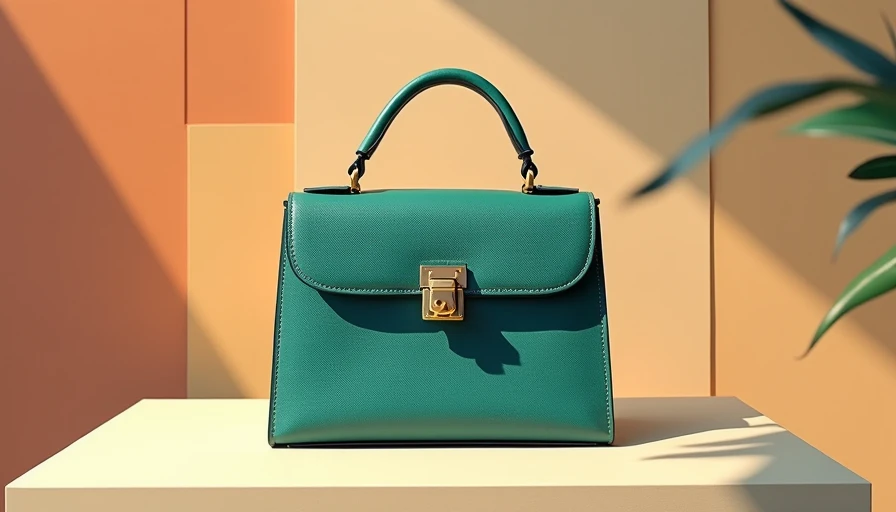
Why are more and more women turning to luxury secondhand fashion? For me, it’s about depth. A new handbag from a department store feels flat—it has no past. But a vintage Louis Vuitton Speedy from the 90s? That bag has been to Paris, to a café, to a thousand commutes. It has a patina that can’t be faked. And with luxury secondhand fashion, you’re not just buying the brand; you’re buying the wear. The faded leather, the slight scuff on the corner—those marks are memories. Plus, the price is often a fraction of retail. I’ve scored a Burberry trench for $200 that would have cost ten times that new. It’s not about saving money for the sake of saving; it’s about redirecting your budget toward pieces that actually mean something.
Let’s talk about curation. When you shop luxury secondhand, you have to slow down. You can’t just click “add to cart”—you have to look, touch, try. That patience rewards you with pieces that stand out. A Gucci loafer with a worn heel, a Hermès scarf with a tiny stain—these aren’t flaws, they’re signatures. The luxury secondhand fashion market is full of one-of-a-kind finds that help you build a wardrobe no one else has. And that feels like a superpower.
How to Hunt for Authentic Luxury Secondhand Fashion
If you’re new to this world, start with what you love. Ask yourself: which designers have a look that resonates with your lifestyle? For me, it’s classic minimalists like Jil Sander and Margiela—pieces that transcend trends. Then, learn the hallmarks of authenticity. Canvas patterns, serial numbers, stitching details—a little research goes a long way. I always check the interiors of bags for date codes and look for tags inside blazers. When buying online, stick to reputable platforms with buyer protection: The RealReal, Vestiaire Collective, and smaller Instagram sellers with proven track records. But don’t ignore brick-and-mortar thrift shops. Some of my best finds came from dusty racks in Hell’s Kitchen.
Another tip: fall in love with imperfections. A tiny hole in a cashmere sweater can be darned; a missing button can be replaced. Those “flaws” are what make luxury secondhand fashion affordable. I once bought a silk Valentino dress with a pulled thread for $50. A tailor fixed it for $15, and now I wear it to every birthday dinner. The key is seeing potential, not problems.
Stories Woven Into Every Stitch
Every piece of clothing I own has a story, and luxury secondhand fashion is the richest chapter. There’s the navy Yves Saint Laurent blazer I found at a church sale—the seller told me it belonged to her mother, a French professor who wore it to lectures in the 1970s. I think of her every time I put it on. And the Fendi scarf I bought from a sweet old woman in a flea market in Chelsea, who said it was a gift from her husband on their honeymoon in Rome. That scarf has traveled more than most people I know.
This is why I write about style the way I do. It’s not a list of trends—it’s a map of memories. When you choose luxury secondhand fashion, you’re not just buying a thing. You’re carrying forward a fragment of someone’s life. And that is the most beautiful accessory of all.
Build Your Secondhand Wardrobe Slowly
Don’t feel pressured to create an entirely luxury wardrobe overnight. Start with one category: maybe a silk scarf or a leather belt. See how it feels to wear something with a history. Then expand. Pair a vintage Chanel brooch with a simple white t-shirt. Let your secondhand find anchor an outfit of basics. That’s the sweet spot of luxury secondhand fashion—it elevates without shouting.
I keep a little notebook where I write the date and location of every thrifted piece. It’s my way of honoring its past while adding my own chapter. And when someone asks, “Where did you get that?” I love knowing the answer isn’t a mall—it’s a story.
So next time you’re scrolling through fast fashion sites, pause. Consider the alternative. Luxury secondhand fashion offers something disposable trends never can: permanence, individuality, and a direct connection to the past. Plus, it’s easier on your wallet and kinder to the planet. Wear your story, and let the clothes speak.
*Wear your story.*