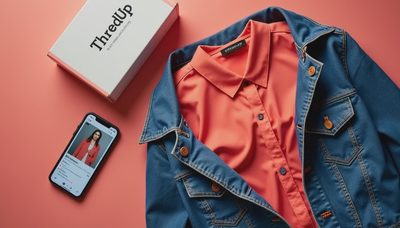
I still remember the first time I opened a Depop package and held a piece of clothing that had lived a previous life. It was a worn-in Levi’s jacket, faded at the elbows, with a faint smell of cedar and someone else’s laundry detergent. That jacket cost me $28, and it’s become the most-asked-about item in my closet. That’s the magic of **Depop sustainable and secondhand fashion** — it’s not just about saving money or reducing waste; it’s about finding garments with stories, and letting them become part of yours.
For years, I was a fast-fashion junkie. I’d buy a cheap polyester dress, wear it twice, and toss it when the seams frayed. Then I moved to Brooklyn, started haunting thrift stores and estate sales, and discovered Depop. Suddenly, my wardrobe felt intentional. Every piece had a past, and I was just the next chapter. If you’re curious about **Depop sustainable and secondhand fashion**, let me walk you through how it can change the way you dress — and think about clothes.
Why Depop Is the Best Place to Start Your Secondhand Journey
Depop isn’t just an app; it’s a marketplace where vintage lovers, upcyclers, and everyday shoppers connect. Unlike a physical thrift store where you dig through racks of unwashed laundry, Depop lets you search by size, color, era, and price. I’ve found everything from a 1980s cashmere blazer ($15) to a pair of barely-worn Frye boots ($40). The key is knowing how to shop: follow sellers who specialize in your aesthetic, check measurements (because vintage sizing is wild), and don’t be afraid to negotiate. **Depop sustainable and secondhand fashion** means you’re buying clothes that last — things that have already survived years of wear and are still in great shape.
How to Style Secondhand Finds Into a Cohesive Wardrobe
One question I get all the time: “How do you make thrifted pieces look intentional and not like a costume?” The answer is balance. Pair a vintage floral blouse with modern straight-leg jeans and clean sneakers. Mix a chunky ’90s cardigan with a simple slip dress and ankle boots. The goal is to let the vintage piece shine, not scream for attention. I keep a color palette of neutrals with occasional pops — it makes mixing decades easy. **Depop sustainable and secondhand fashion** has taught me that style isn’t about newness; it’s about connections. That silk skirt I found? It belonged to a woman who wore it to her office job in the 1970s. Now I wear it to coffee shops and farmer’s markets.
The Environmental and Ethical Case for Secondhand
Let’s get real: the fashion industry is one of the biggest polluters on the planet. Every time you buy new, you’re voting for more production, more waste, more carbon emissions. By choosing **Depop sustainable and secondhand fashion**, you’re keeping clothes out of landfills and reducing demand for virgin materials. According to ThredUp, buying one used item saves about 82% of the carbon footprint compared to a new one. That’s huge. Plus, you’re not supporting fast-fashion labor practices that often exploit workers. Secondhand shopping is one of the most accessible ways to align your wardrobe with your values without breaking the bank.
My Favorite Depop Finds and the Stories Behind Them
Every thrifted piece comes with a story, real or imagined. I have a mustard-yellow wool coat I found on Depop for $35. The seller said it belonged to her grandmother, who wore it to church every Sunday in the 1950s. I wear it to readings and winter walks, and I feel like I’m carrying a little bit of that grandmother’s grace. Another favorite: a pair of high-waisted pleated trousers that were clearly hemmed by hand — the stitches are uneven, and there’s a tiny ink stain on the inside. I like to think someone tested a pen in those pockets while sitting in a classroom decades ago. These small imperfections make clothes feel alive. **Depop sustainable and secondhand fashion** isn’t just shopping; it’s archaeology.
Tips for Newbies: How to Start Your Depop Sustainable and Secondhand Fashion Journey
If you’re ready to dive in, here’s my advice:
- **Start with one category.** Maybe you want a vintage denim jacket or a silk blouse. Narrowing your search prevents overwhelm.
- **Measure yourself.** Vintage sizes are all over the place. Always compare the listed measurements to a garment you already own.
- **Read descriptions carefully.** Look for stains, tears, or alterations. Honest sellers will note flaws.
- **Engage with sellers.** Ask questions, request additional photos, and make offers — most are happy to negotiate.
- **Be patient.** The perfect piece doesn’t appear overnight. Check the app regularly and save your searches.
I’ve been using Depop for three years now, and my wardrobe has never felt more “me.” Every item I own has a story, and I’m just lucky enough to be the one wearing it now. **Depop sustainable and secondhand fashion** has given me a closet full of memories, not just clothes. And every time I put on that Levi’s jacket, I remember the girl who sold it to me, the life it lived before, and the fact that I’m just another chapter in its long story.
*Wear your story.*