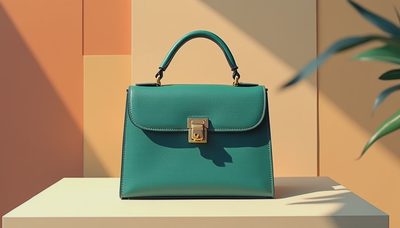
I still remember the day I found my first piece of secondhand designer fashion. It was a rainy Saturday in October, and I was sifting through a cramped thrift store in Greenpoint, Brooklyn. The smell of old wood and mildew hung in the air, and I was about to give up when my fingers brushed against a soft leather sleeve. I pulled it out—a vintage Coach bag, the kind with the brass turnlock and the little horse-and-carriage logo, in a color that reminded me of autumn leaves. The woman at the register rang it up for $18. That bag didn’t just hold my wallet and keys; it held the story of a woman who had carried it through the 80s, and now it was mine. That’s the magic of secondhand designer fashion—every piece comes with a history, and when you wear it, you add your own chapter.
Some people think secondhand designer fashion means settling for something worn-out or outdated. But that’s not the truth. When you buy pre-owned designer pieces, you’re stepping into a world of quality, craftsmanship, and stories. You’re also saving money, reducing waste, and building a wardrobe that’s truly yours. Let me guide you through why this approach to style has changed everything for me.
The Thrill of the Hunt
There’s a rush that comes with finding a designer piece in the wild. It’s like a treasure hunt, but instead of gold, you’re digging for a tag that says “Dolce & Gabbana” or a leather jacket with zippers that whisper “Rick Owens.” Last spring, I spent a Sunday hopping from thrift shops in Williamsburg to estate sales in the Hudson Valley. At a small shop in Kingston, I spotted a cashmere sweater from Brunello Cucinelli—the label was tucked inside the collar, barely visible. The price tag read $12. I almost didn’t try it on, but something told me to. It fit like it was made for me. That sweater has been my go-to for chilly mornings at the farmer’s market, and every time I wear it, I feel like I’ve uncovered a little secret.
The key to the hunt is patience and knowing where to look. I avoid the trendy vintage boutiques that have hiked up prices—they know what they have. Instead, I head to neighborhood thrift stores in less gentrified areas, or I dig through online resale platforms like Depop and Poshmark, filtering by “vintage” or “designer.” I always check the materials and stitching before I buy; if the seams are straight and the fabric is high-quality, you’ve likely found something special. Secondhand designer fashion rewards those who take the time to look closely.
Why Secondhand Designer Fashion Beats Fast Fashion
Fast fashion is designed to fall apart after a few washes. Its goal is to make you feel like you need something new every season, and it preys on the idea that style equals newness. But secondhand designer fashion tells a different story. These pieces were built to last—think thick wool coats, sturdy leather bags, and silk blouses that don’t lose their sheen. When you buy them pre-loved, you’re not just saving money; you’re voting for a world where clothes have value beyond their price tag.
Let’s talk numbers. A new designer handbag might cost $2,000. On the secondhand market, you can find the same bag in good condition for $300–$500. And that bag will outlast any $50 fast-fashion alternative. Over the past three years, I’ve built a wardrobe that costs less than what some people spend on one season of H&M, yet every piece is more durable and more unique. The environmental impact matters too: the fashion industry is one of the biggest polluters, and buying secondhand keeps items out of landfills. By choosing secondhand designer fashion, you’re making a statement that quality and sustainability go hand in hand.
How to Spot Authentic Secondhand Designer Pieces
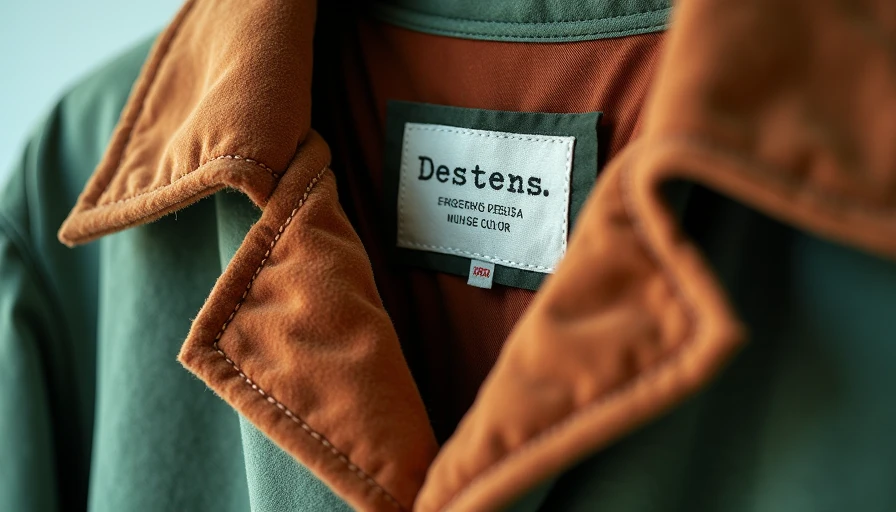
One of the biggest concerns people have about secondhand designer fashion is authenticity. Fake designer items are everywhere, and it can be tricky to tell the difference. Over the years, I’ve learned a few tricks that have saved me from buying fakes. First, always check the zippers and buttons. Luxury brands use high-quality hardware—YSL zippers feel heavy and have the logo engraved clearly, not stamped on. Second, look at the stitching: designer pieces have even, tight stitches, and the seams are often finished with a French seam or bias tape. Third, check the lining. Many counterfeit items use cheap polyester lining that feels slippery, whereas genuine designers use silk or fine cotton.
If you’re shopping online, ask the seller for clear photos of the tags, serial numbers (if applicable), and any signs of wear. I once bought a Burberry trench coat on Poshmark that turned out to be a replica. The seller had good reviews, but I didn’t ask for enough details. Now, I only buy from sellers who show close-ups of the interior labels. When in doubt, you can use authentication services like Real Authentication or The RealReal’s expert appraisal—but honestly, trusted resale platforms with return policies are your safest bet. Once you know what to look for, secondhand designer fashion becomes a confident investment.
Caring for Your Vintage Designer Finds
Your secondhand designer fashion pieces have already lived one life; give them the care they deserve. Start by cleaning them properly. For leather goods, I use a gentle saddle soap and conditioner; for silk, hand wash with cold water and a drop of baby shampoo. Store vintage wool coats in garment bags with cedar blocks to prevent moths. And don’t be afraid to mend small issues—a loose button or a tiny tear is easy to fix. I learned to resew a hem after my favorite Yves Saint Laurent blouse lost a stitch along the cuff. It took ten minutes, and now the blouse feels even more mine.
I also keep a small notebook where I record where and when I found each piece. That way, when someone compliments my shoes, I can tell them, “I found these Chanel flats at a estate sale in New Jersey for $40.” The story makes the compliment sweeter. Caring for your pieces isn’t just maintenance; it’s part of the relationship you build with your wardrobe.
ting
If you’re new to secondhand designer fashion, start small. Pick one category—maybe bags or blazers—and spend a month just looking. Visit thrift stores, browse resale apps, and get a feel for prices and styles. You don’t have to be an expert overnight. The beauty of this world is that it rewards curiosity and patience. Every piece you find becomes a part of your story, woven into the fabric of your daily life.
I still wear that Coach bag I found in Greenpoint, even though it’s a little worn at the edges. It reminds me of that rainy Saturday and the thrill of discovering something beautiful that someone else had loved before me. That’s what secondhand designer fashion is all about—wearing history, your history, every single day. So go ahead, start your hunt. Find a piece that speaks to you. And when you wear it, remember: you’re not just wearing clothes; you’re wearing your story.
*Wear your story.*