I still remember the first time I held a secondhand Cartier jewelry piece. It was a tiny gold Trinity ring at a vintage shop in SoHo, the interlocking bands slightly worn from decades of wear. The shopkeeper told me it had belonged to a French woman who bought it in the 1970s. I didn't buy it that day—the price was still steep for my budget—but I couldn't stop thinking about the story it carried. That moment made me realize that the **secondhand Cartier jewelry value** isn't just about gold weight or resale numbers. It's about the lives these pieces have touched, the craftsmanship that hasn't aged a day, and the quiet luxury of owning something that truly lasts.
The Allure of Cartier’s Iconic Designs
Cartier has been making jewelry for over 170 years, and certain designs—the Love bracelet, the Tank watch, the Panthère collection—have become cultural touchstones. What's remarkable is how well these pieces age. Unlike fast fashion trinkets that lose their charm after one season, a Cartier piece from the 1980s looks just as elegant today as it did then. That's part of why **secondhand Cartier jewelry value** holds steady. The brand's design language is timeless, and pre-owned pieces carry a patina of authenticity that brand-new items can't replicate. When I see a worn Cartier Love bracelet on someone's wrist, I don't see an accessory; I see a story of anniversaries, promises, and daily wear.
But timeless design alone doesn't keep value high. The materials matter—18k gold, platinum, and ethically sourced diamonds are standard. And Cartier's hallmarking system means every piece can be traced. This combination of art and integrity is why the pre-owned market thrives.
What Determines Secondhand Cartier Jewelry Value?
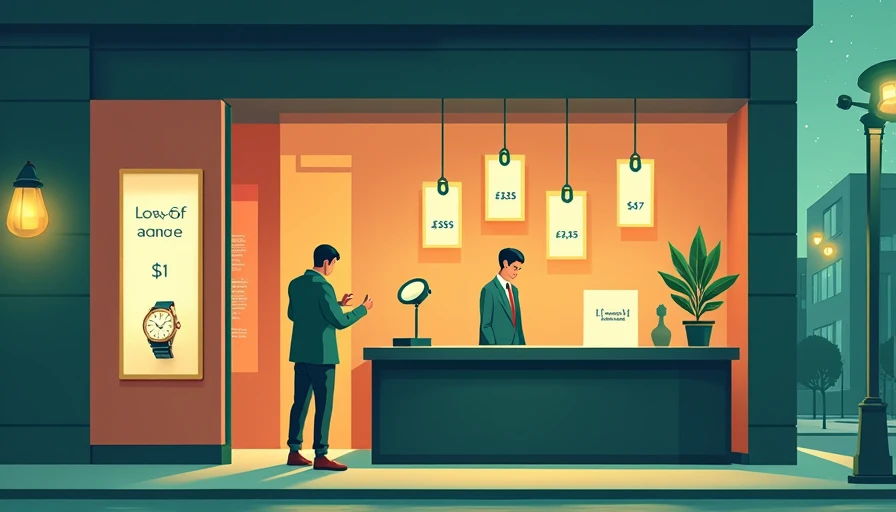
Several factors influence how much a pre-owned Cartier piece is worth. Understanding these can help you make a smart purchase—or decide if selling that heirloom ring makes sense.
- **Condition and originality**: Original boxes, papers, and service records add significant value. A Love bracelet with the original screwdriver and authenticity card will fetch a higher price than one without.
- **Rarity and era**: Limited-edition collections or pieces from specific decades (think 1970s Tank watches) often appreciate. For example, the Cartier Crash watch from the 1960s can sell for tens of thousands of dollars today.
- **Market demand**: The Love bracelet remains one of the most sought-after items. Prices for pre-owned models range from $4,000 to $8,000 depending on size and condition. The classic Tank watch typically goes for $2,000–$6,000 vintage, while newer models can be higher.
- **Authenticity**: This is non-negotiable. Fake Cartier pieces are rampant. Always buy from reputable dealers like The RealReal, 1stDibs, or trusted vintage jewelers. Getting a piece authenticated by a Cartier boutique or a certified appraiser costs around $100–$200 but can save you thousands.
When I finally bought my first pre-owned Cartier—a dainty 1970s gold chain necklace—I paid about $1,200. Five years later, I saw a similar one listed for nearly double. That's the beauty of **secondhand Cartier jewelry value**: it often holds or increases, especially if you choose wisely.
Where to Find Authentic Pre-Owned Cartier
The hunt is part of the charm. I've found pieces everywhere from estate sales in the Hudson Valley to high-end consignment shops in Manhattan. Online marketplaces like Rebag, Vestiaire Collective, and Fashionphile have robust authentication processes. Sotheby's and Christie's auctions are another route for rare items—their provenance reports are meticulous. But my favorite spots remain small vintage jewelers. There's a woman in Brooklyn who specializes in pre-owned French jewelry; her shop smells like old wood and lavender, and she knows every piece's story. That personal connection adds to the piece's meaning.
Rarity is a big factor in **secondhand Cartier jewelry value**. For instance, a vintage Tank watch from the 1940s might be worth $3,000–$5,000, while a limited-edition Coloré necklace could bring $10,000+. Don't overlook pieces with minor wear—a light scratch on the clasp doesn't diminish the story, and it might lower the price without compromising beauty.

How to Assess Value Before You Buy
Before you hand over your credit card, take a few steps to ensure you're getting fair value. First, check current resale prices for the same model on multiple platforms. If a seller's price is significantly below market, be suspicious. Second, examine hallmarks and serial numbers. Cartier's stamps are finely engraved—fakes often have blurry or uneven marks. Third, ask about the piece's history. A good seller can tell you which year it was made, where it was sold originally, and whether it's been repaired. Fourth, consider the metal weight. Solid gold pieces have intrinsic melt value, which sets a floor price. For example, a 1980s Love bracelet in 18k gold weighs about 30–35 grams, so even at scrap value it's worth over $1,000. But its collectible value is much higher.
I learned this lesson the hard way. A friend bought a Cartier ring at a flea market for $200, thinking it was a steal. It turned out to be a clever fake—the hallmark was off, and the gold wore off within months. Instead of a bargain, she got a lesson in why authentication matters.
The Personal Joy of Wearing a Story
At the end of the day, what draws me to secondhand Cartier isn't the investment potential. It's the sense of continuity. When I wear my vintage necklace, I imagine the woman who clasped it for the first time. Did she wear it to a Parisian café? To a first date? A gallery opening? That unknown history makes the piece uniquely mine. So if you're considering a pre-owned Cartier piece, do your research, and don't rush. When you find the right one, you'll feel it. And every time you put it on, you'll know that its **secondhand Cartier jewelry value** is measured not just in dollars, but in the stories you carry forward.
*Wear your story.*