I found the perfect white linen blouse at a Housing Works in Brooklyn on a rainy Tuesday. It cost eight dollars, had a tiny frayed buttonhole I fixed in ten minutes, and fit like it was made for my shoulders. That blouse became the cornerstone of my secondhand women's minimalist fashion approach — not because it was expensive or brand-new, but because it was simple, well-made, and already lived in. That's the thing about secondhand women's minimalist fashion: it's not about deprivation or a strict uniform. It's about choosing pieces with intention, letting go of the noise, and letting a garment's history speak quietly through its cut and fabric.
I started hunting for secondhand minimalist pieces about three years ago, when I realized my closet was full of fast-fashion impulse buys that never felt like me. I wanted clothes that felt calm and deliberate, but I didn't want to spend a fortune or contribute to more waste. Thrifting became my answer. Slowly, I built a wardrobe of soft cotton tees, tailored trousers, a cashmere sweater I found in a bin at a flea market, and that white linen blouse. Each piece has a story — where I found it, what I was going through, how it changed the way I dress.
Why Secondhand Works for a Minimalist Aesthetic
Minimalist style is often associated with high-end brands and sterile aesthetics, but the truth is that secondhand shopping is one of the best ways to achieve a clean, curated look. Vintage and thrifted pieces tend to have better construction and natural fibers than most modern fast fashion. I've found 100% wool blazers from the 1980s that cost less than a sandwich, and silk blouses that feel like butter. The key is to look for quality materials — cotton, linen, wool, silk — and timeless silhouettes that don't scream a specific decade.
Secondhand women's minimalist fashion also forces you to slow down. You can't just order every size and return what doesn't fit. You have to touch the fabric, check the seams, imagine how it will wear with the rest of your wardrobe. This process aligns perfectly with minimalist philosophy: buy less, choose well. I've learned to be patient, to walk away from something that's almost right, and to celebrate the rare moments when everything clicks.
How to Shop for Secondhand Minimalist Pieces
Hunting for secondhand minimalist fashion in New York City is a sport, but it's one you can practice anywhere. Start with the right mindset: you're not looking for a perfect outfit, you're looking for a piece that will integrate into your existing wardrobe. I always go into a thrift store with a mental list of gaps — a cream sweater, a black midi skirt, a structured bag. This keeps me from getting distracted by loud prints or trendy items that will feel dated in six months.
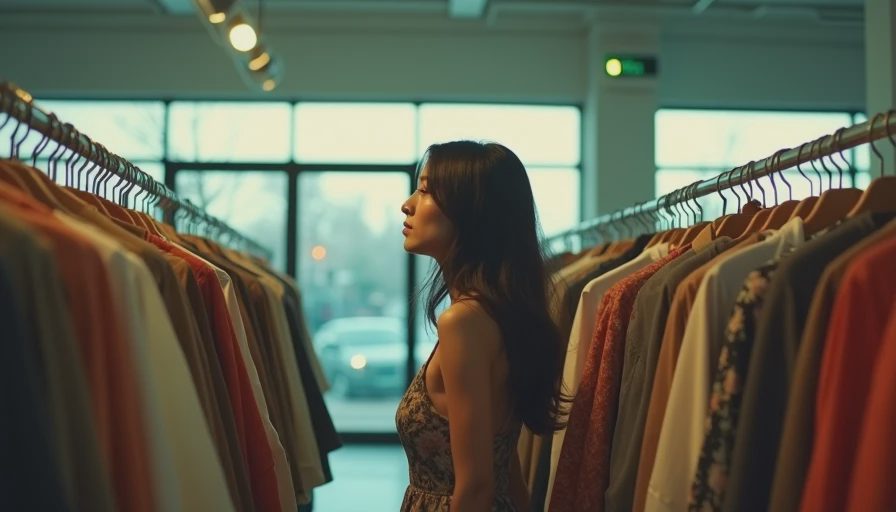
My favorite spots in Brooklyn are the Housing Works on Atlantic Avenue and the Salvation Army on 9th Street in Park Slope. But I've also found incredible pieces at estate sales in the Hudson Valley and at small vintage pop-ups in Williamsburg. When I'm at a thrift store, I focus on the sections where quality items hide — the men's sweater rack (for oversized knits), the trouser aisle (for high-waisted wool pants), and the linen tablecloth bin (yes, I've turned vintage tablecloths into blouses with a simple alteration).
Key Pieces to Look For
Over the years, I've identified a handful of items that consistently show up in secondhand stores and work beautifully in a minimalist wardrobe:
- White button-down shirts: Look for 100% cotton or linen, preferably with a classic collar. They're versatile and easy to dress up or down.
- Cashmere sweaters: Often overlooked because they can be pilled, but a gentle shaver restores them. I've found cashmere for under ten dollars.
- Straight-leg trousers: High-waisted, no pleats, in neutral shades like black, navy, or olive. They form the backbone of a capsule wardrobe.
- Simple leather belts: A quality leather belt with a minimal buckle cinches dresses and adds structure to oversized tops.
- Silk scarves: For tying around your neck, bag strap, or ponytail. They add a whisper of color without disrupting a clean palette.
Each of these pieces embodies secondhand women's minimalist fashion because they're functional, beautiful, and have a history. My cashmere came from a Goodwill in Albany — I imagine its previous owner wore it to book clubs and train rides. That story matters to me.
Styling a Secondhand Minimalist Outfit
Putting together an outfit from secondhand pieces is its own kind of joy. Today I'm wearing that white linen blouse with a pair of olive wool trousers I found at a flea market in Chelsea, and a vintage leather belt that's been with me for five years. The look is simple, monochromatic, and entirely thrifted. No one asks where I bought anything because the pieces look like they belong together — and they do, because I chose them with the same quiet intention.
I style my secondhand women's minimalist fashion the same way I approach writing: edit ruthlessly. If an outfit has more than three colors, I subtract one. If a piece feels too trendy, I swap it for something neutral. The goal is to feel like myself, not like a Pinterest board. And when I wear something I've thrifted, I remember the day I found it — the weather, the city street, the feeling of discovering a treasure among the racks.
Minimalist fashion doesn't have to be sterile or expensive. It can be warm, personal, and deeply connected to the world we live in. By choosing secondhand women's minimalist fashion, you're telling a story — not just about style, but about the kind of life you want to live. One where every piece has a past and a future. One where you wear your story.
Wear your story.