
How AI Secondhand Fashion Discovery Changed the Way I Shop
I have spent years hunting through thrift stores, estate sales, and online resale platforms. The joy of finding a perfect vintage piece after hours of digging is unmatched. But lately, the sheer volume of secondhand stock has started to feel overwhelming. Poshmark has millions of listings. Depop moves so fast that good items disappear in minutes. That is where ai secondhand fashion discovery comes in — a tool that promises to cut through the noise and surface exactly what you are looking for. I was skeptical at first, but after a month of testing, I am a convert.
My First Success with AI Secondhand Fashion Discovery
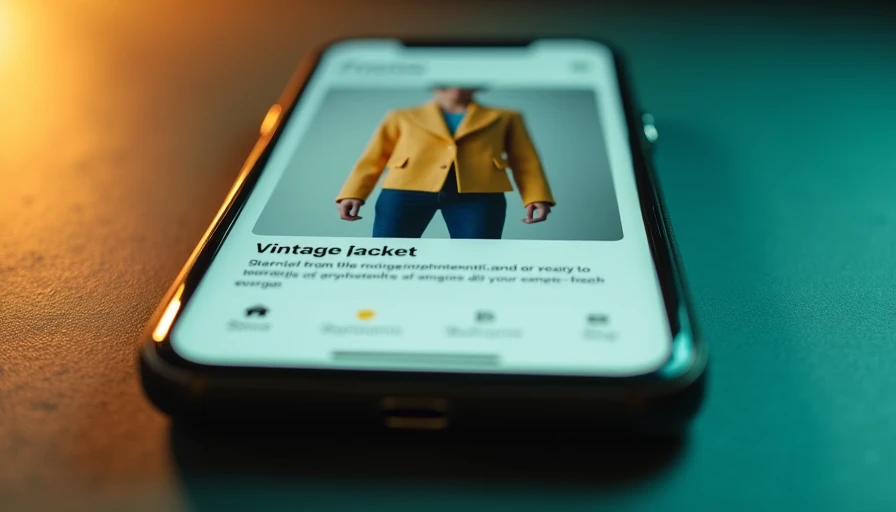
It started on a rainy Saturday. I had been scrolling through eBay for an hour, trying to find a 90s-era leather jacket in my size. The search results were a mess: faux leather, wrong era, too expensive. Out of frustration, I opened an app called ThriftAI — I had heard about it from a friend who swore by it for vintage band tees. The interface was simple. I uploaded a few photos of outfits I already owned and described my style in a sentence: "Warm neutrals, structured shapes, worn-in textures." The ai secondhand fashion discovery tool scanned its database and within minutes surfaced a cropped black leather jacket from a seller in Ohio. The price? Forty dollars. The condition? Excellent, with a small scuff on the sleeve that I actually liked — it gave it character.
I bought it and it arrived three days later. The fit was perfect. That jacket has become a staple. What impressed me most was how the discovery tool understood my preferences beyond keywords. It did not just search for "leather jacket" — it considered the cut, the hardware, even the patina of the leather. This was not basic keyword matching; this was ai secondhand fashion discovery that felt intuitive, almost like a personal shopper who knows your taste.
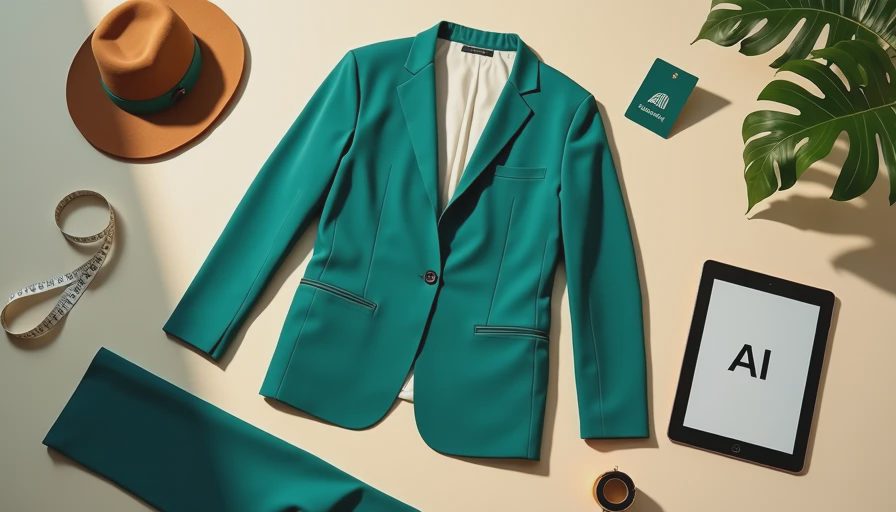
Since that first success, I have used the app to find a pair of high-waisted vintage Levis, a hand-knit cashmere sweater from the 80s, and a wool blazer that looks like it came straight from a French film. Each piece cost under thirty dollars. The time I saved was enormous — instead of scrolling for hours, I set my preferences and let the AI do the heavy lifting. I still check the listings myself to make sure the condition matches the description, but the curation is good enough that I rarely sift through more than a dozen items before finding something I love.
Of course, ai secondhand fashion discovery is not perfect. The AI sometimes misinterprets nuances. For example, I once searched for "flowy silk skirt" and it returned a polyester slip dress. You still need to use your own eye and read descriptions carefully. But the trade-off is worth it. The technology amplifies your ability to find what you actually want, instead of drowning you in everything available.
I also appreciate how this tool opens up secondhand shopping to people who feel intimidated by it. Not everyone has the patience to dig through a crowded thrift store or the knowledge to spot a quality garment. AI acts as a bridge, democratizing access to sustainable fashion. It learns from your preferences over time, so the more you use it, the better its suggestions become. After a month, my feed was full of pieces that felt like they belonged in my closet.
There is a wider conversation here about technology and fashion. Some argue that AI removes the serendipity of thrifting. I think it adds a new kind of discovery. Sure, you might not stumble upon a wild floral lampshade you never knew you needed. But you will find that perfect trench coat that had been hiding in a seller's inventory for months. For me, the joy of secondhand shopping has always been about the story behind each piece. AI does not erase that story — it just helps you find the story faster.
After a month of using ai secondhand fashion discovery, my wardrobe feels more intentional. Every item I added has a purpose and a history. The AI helped me cut through the clutter and focus on what truly fits my style. If you have been hesitant about secondhand shopping because it feels overwhelming, I encourage you to try one of these tools. Start with a specific item you have been hunting — maybe a wool coat or a pair of leather boots — and see what surfaces. You might be surprised at how quickly you find it.
A Quick Checklist for Getting Started with AI Secondhand Fashion Discovery
To make the most of this technology, follow a simple four-step process. First, define your style clearly. Upload photos of clothes you love and write a short description of your aesthetic. The more specific you are, the better the results. Second, be patient with the learning curve. The AI may not nail it on the first try, but it improves as you interact with it. For example, after I rejected a few suggestions, the tool started showing me more structured jackets and fewer flowy pieces. Third, combine AI suggestions with your own judgment. Always check photos for fabric quality, measurements, and signs of wear. A great piece is only great if it fits and suits you. Fourth, set a budget and stick to it. One of the biggest advantages of ai secondhand fashion discovery is finding high-quality items for a fraction of retail, so enjoy the savings but avoid impulse buys. With these steps, you can transform your thrifting experience from overwhelming to efficient and fun.
Wear your story.