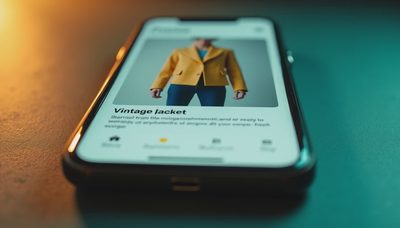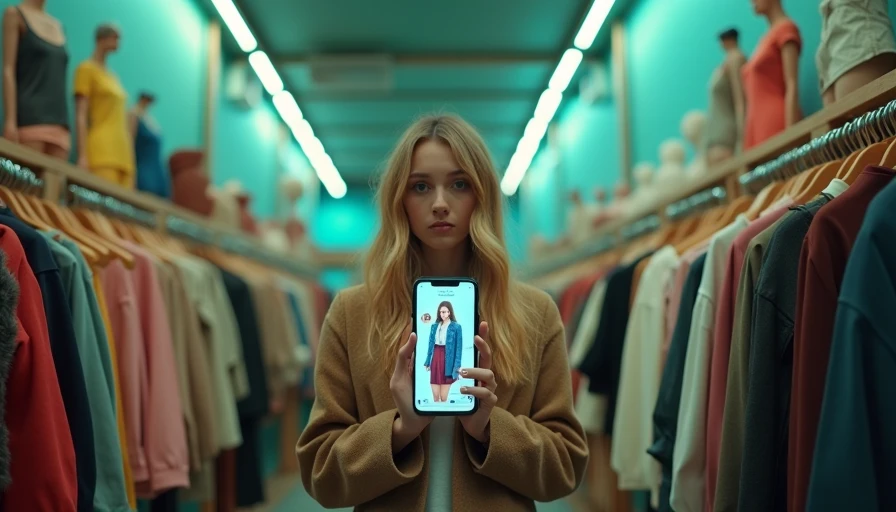

I was standing in a dimly lit Brooklyn thrift shop, overwhelmed by racks of polyester shirts, when my friend Jane told me about her new secret weapon: an AI styling app built specifically for secondhand fashion. I rolled my eyes—how could an algorithm understand the thrill of a genuine 90s vintage Levi’s jacket? But I’d been stuck in a style rut, and the promise of secondhand fashion AI styling that matched my Pinterest board to real-life shelves was too intriguing to ignore.
I signed up for the app that night. It asked me to upload photos of my favorite outfits, answer a few questions about my style preferences, and then—within hours—it returned a curated set of secondhand items available from various resale platforms. The first recommendation was a high-waisted pleated skirt in a muted olive tone. I would never have picked it off a rack, but the algorithm knew something I didn’t: it combined my love for 80s silhouettes with the color palette of my Pinterest board. I found that exact skirt on Depop for $18, and it has since become one of my most-worn pieces.
How the AI Styling Tool Changed My Thrift Routine
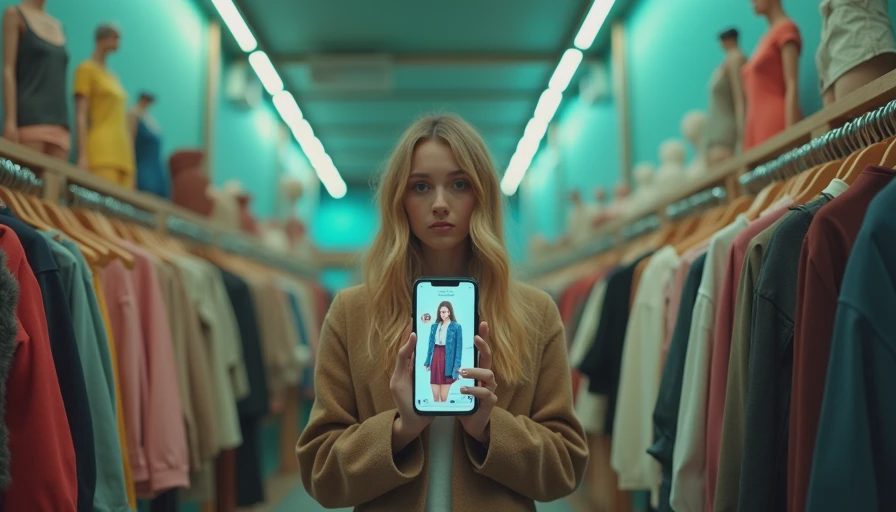
Before this experiment, my thrift shopping was pure chaos. I’d spend hours sifting through racks, leaving with things that were either impulse buys or items I never wore. The AI introduced a structure I didn’t know I needed. It didn’t replace the hunt—it gave me a starting point. When I walked into a Goodwill in Park Slope last weekend, I had a list of five items the app had suggested based on my current wardrobe gaps. I found two of them, and the other three I ordered online from vintage sellers the app linked to. For the first time, I felt like my secondhand wardrobe was building itself around a cohesive story.
The app also pushed me out of my comfort zone. It suggested a pair of wide-leg corduroys in a rust color—something I’d never worn because I thought the silhouette was unflattering on my 5’4 frame. But when I tried them on at a local thrift, I was surprised. The high waist balanced the volume, and the color brought warmth to my face. I bought them for $12. Now they’re a staple for weekend markets and coffee-shop writing sessions.
Of course, the algorithm isn’t perfect. It once recommended a neon windbreaker that looked like something from an 80s aerobics video—and not in a good way. But that’s part of the process. The AI gives you options; you still have to trust your own eye and the feeling of a fabric against your skin. Secondhand fashion AI styling works best when you treat it as a collaborator, not a dictator.

The Surprising Compatibility of Algorithms and Vintage Finds
I’ve always romanticized the randomness of thrifting—the idea that a worn leather jacket finds you, not the other way around. So I was skeptical that a machine could replicate that serendipity. But what I discovered is that AI doesn’t kill the thrill; it amplifies it. By filtering out the noise, it left more time for the quiet, tactile search that makes secondhand shopping so satisfying. I still touched every fabric, examined every seam. The app just made sure I was looking at things that actually belonged in my wardrobe.
There’s also something poetic about using modern technology to rediscover older garments. The algorithm is trained on thousands of images and user preferences, but the clothes themselves come from garage sales, estate auctions, and someone’s grandmother’s closet. It’s a marriage of data and memory. When I wear the olive skirt the app found, I think about the algorithm that identified it—and also about the person who donated it. Both stories are woven into the fabric.
Tips for Using AI to Elevate Your Secondhand Wardrobe
If you’re curious about secondhand fashion AI styling, here’s what I’ve learned so far:
- Start with one app or service. There are a few out there now—some free, some subscription-based. Try one for a month and see if it reshapes your approach. I used a free trial before committing.
- Be honest in your style quiz. The algorithm works best when you give it real data. Upload photos of the outfits you actually wear, not the ones you wish you wore.
- Use the recommendations as a filter, not a script. Don’t buy something just because the app says to. Hold it in your hands, try it on, and ask yourself: Does this feel like me?
- Pair AI with in-person thrifting. The app is great for online secondhand marketplaces like Depop, Poshmark, and Vinted, but nothing beats the tactile experience of a real store. Use the app to create a hit list, then go hunting.
- Keep your own style intuition alive. The algorithm is trained on trends and patterns, but your personal history is unique. A piece that means nothing to the algorithm might mean everything to you.
I still spend my weekends at flea markets and estate sales, but now I do it with a smarter shopping list. Secondhand fashion AI styling hasn’t replaced my love for the hunt—it’s made it more intentional. My closet tells a story that’s part data, part luck, and entirely mine.
Wear your story.