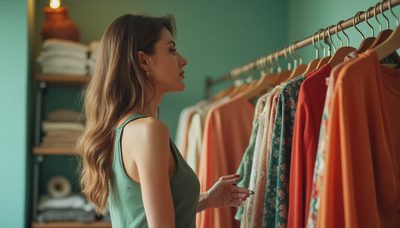
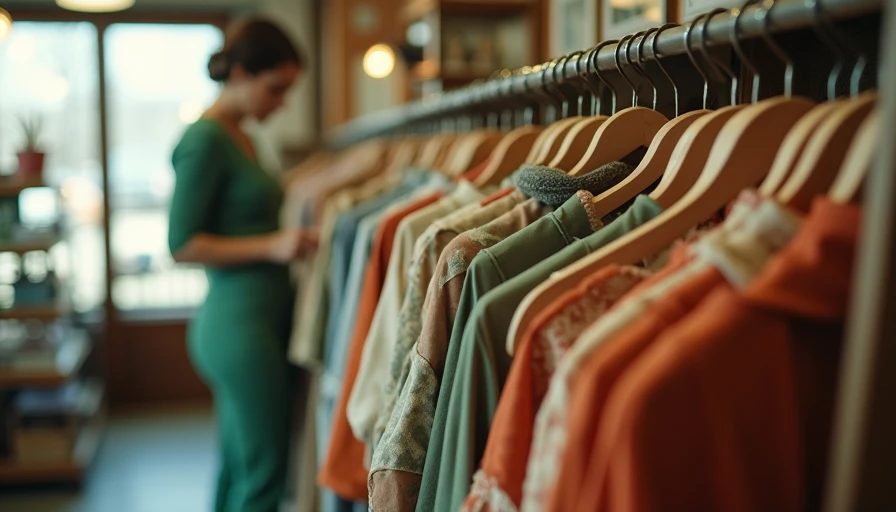
Last Saturday, I spent an hour in a Salvation Army in Bushwick, my fingers moving through a rack of polyester blouses and worn-out jeans. I almost left empty-handed. Then, at the very end of the rack, I spotted a sleeve — a soft tweed, with genuine horn buttons. It was a vintage Pendleton blazer from the 1980s, in my exact size, for $12. That’s the thrill of thrifting, and these are my honest tips for shopping secondhand fashion that I’ve learned from years of hunting.
Thrifting isn’t just about saving money (though that’s a beautiful perk). It’s about finding pieces that carry a story — someone else’s history you get to continue. But it can be overwhelming: the chaos of bins, the questionable stains, the endless racks of things that almost fit. Over time, I’ve developed a rhythm that turns the madness into something meditative. Here’s what works for me.
Where to Hunt: Beyond the Obvious
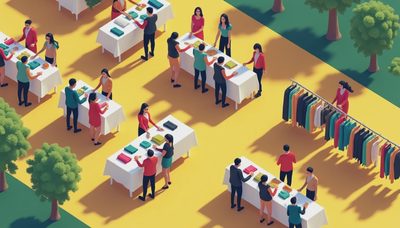
Most people start at Goodwill or Salvation Army, and those are great. But to truly find treasures, you need to expand your map. I rotate between three types of places:
- Chain thrift stores (Goodwill, Savers) — consistent inventory, great for basics and housewares.
- Local charity shops (like Housing Works in NYC) — curated by volunteers, often better quality, and the proceeds support a cause.
- Estate sales and flea markets — the holy grail for vintage designer items and one-of-a-kind pieces. Websites like EstateSales.net list upcoming sales in your area.
A key tip for shopping secondhand fashion in these places: go on weekdays if you can. Weekends are crowded, and the best finds are often snagged by resellers who arrive at opening time. Tuesday mornings are my sweet spot — calm racks, freshly stocked, and the staff is usually happy to chat about what came in.
Another trick: don’t overlook the men’s section. I’ve found oversized sweaters, vintage band tees, and even a wool peacoat that became my favorite winter layer. The fit is sometimes boxier, but that can be a deliberate style choice, especially for a relaxed, borrowed-from-the-boys look.
What to Look For (and What to Skip)
When I walk into a thrift store, I don’t browse aimlessly. I have a mental checklist of markers that signal quality and potential.
Look for:
- Natural fibers: wool, linen, silk, cotton. They last longer and tend to hold their shape. Check the label before you fall in love with something.
- Unique details: interesting buttons or closures, a distinct pattern from another era, handmade stitching.
- Known brands from the 80s and 90s: Pendleton, LL Bean, Patagonia (yes, you can find Synchilla fleeces), Levi’s, Ralph Lauren (the pre-2000 stuff is especially sturdy).
Skip unless you’re willing to alter:
- Everything polyester from fast-fashion brands (like Forever 21 or SheIn). The fabric wears out quickly and often feels cheap.
- Items with permanent stains or rips in non-repairable areas (machine washing can fix a lot, but not all).
- Things that are off-season for your local climate. I limit myself to pieces I can wear within a month — otherwise, they sit in my closet and I forget about them.

A practical tip for shopping secondhand fashion when evaluating a garment: do the touch test. Close your eyes and feel the fabric. If it’s soft and substantial, it’s probably well-made. If it’s scratchy or flimsy, put it back. Your hands know more than you think.
Making Secondhand Pieces Feel Like Yours
Finding the piece is only half the fun. The real magic happens when you integrate it into your daily life. I have a small sewing kit I keep for quick fixes: loose buttons, hem adjustments, a loose stitch. Learning to sew a button or take up a hem takes ten minutes and opens up way more possibilities. I once bought a vintage floral dress that was two sizes too big — a few darts in the back and it fit like it was made for me.
Another trick: thrifted pieces often need a good wash. I use a gentle detergent and cold water for everything until I know the fabric. Some items have a funny thrift-store smell (a mix of old wood and someone else’s laundry detergent) that comes out after one or two washes. If it doesn’t, try white vinegar in the rinse cycle — it neutralizes odors without damaging the fabric.
Styling is where your personality shines. I pair my thrifted tweed blazer with ripped jeans and a white T-shirt — the contrast makes it modern, not costumey. A vintage silk scarf becomes a headband, a belt, or a bag charm. Don’t be afraid to mix eras and price points. A $200 pair of jeans from Madewell look even better with a $5 vintage belt.
The Philosophy of Secondhand Style
Shopping secondhand isn’t a sacrifice; it’s an adventure. Every time I wear thrifted clothes, I remember the day I found them: the weather, the store, the tiny thrill of discovery. That Pendleton blazer? I wore it to a job interview where I ended up getting the offer. The floral dress? That was the day I wandered into a flea market in Williamsburg and found a first edition of my favorite poet. Clothes gather meaning. When you buy secondhand, you’re not just wearing fabric — you’re wearing a story, and adding your own chapter.
So the next time you’re looking to refresh your wardrobe, skip the mall. Go with these tips for shopping secondhand fashion — trust your hands, be patient, and enjoy the hunt. The best finds come when you least expect them, like an old friend you haven’t met yet.
Wear your story.