
I found a 1980s wool blazer at a Goodwill in Red Hook last fall. It cost $14, and it had this worn-in feel—like it had already lived a full life before me. When I listed it on Swapup, I knew I couldn't just write “Vintage blazer, size M.” That's a fact, not a story. I needed a hook. A creative hook that would make a stranger stop scrolling and imagine themselves wearing it. That's where swapup secondhand fashion ads creative hooks come in—the little details and emotional triggers that turn a plain listing into something irresistible. In this post, I'll share how I think about writing them, and a few examples you can steal for your own shop.
What Makes a Swapup Ad Hook Work?
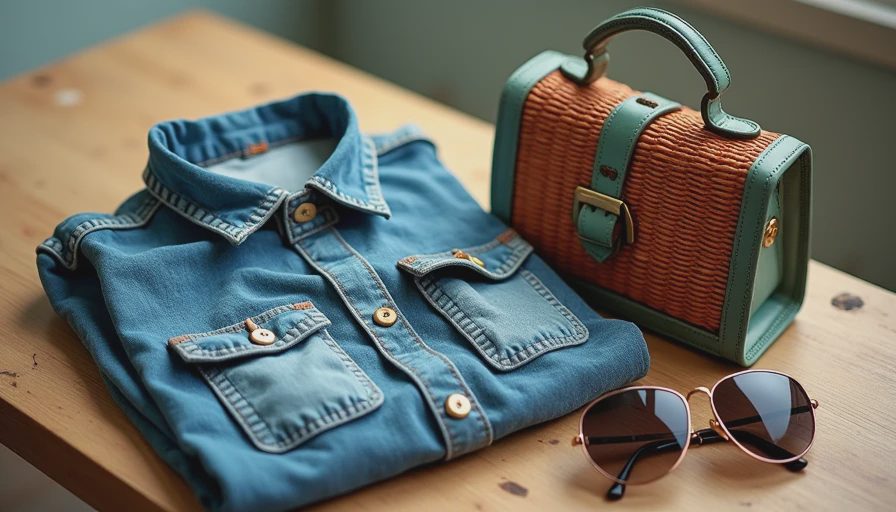
Before you write a single word, think about what your item has that department-store versions don't. History. Imperfection. A specific mood. The best swapup secondhand fashion ads creative hooks lean into those qualities. They answer the question: “Why should I buy this from you, out of all the similar items on the platform?”
One trick I use is to open with a sensory detail. Instead of “Floral sundress,” try “This dress smells like summer in the Catskills—light cotton, tiny yellow flowers, and a zipper that sticks just a little.” That zipper isn't a flaw; it's character. It tells the buyer that someone wore this dress on real picnics, real bike rides. Another approach is to name a specific brand, even if it's not designer. A listing that says “J. Crew cotton blazer from the late 90s” feels more intentional than “Blazer.” The brand name triggers a memory for the buyer. Suddenly they're not just buying a jacket; they're buying a piece of their own past.
Three Creative Hooks for Your Secondhand Listings
I've been selling on Swapup for over a year now, and I've learned that the hook doesn't have to be elaborate. Sometimes it's just a question: “Remember that dress you always borrowed from your best friend in college? This is the same vibe.” Or a mini story: “I found this at an estate sale in Albany. The woman who owned it was a painter. I like to think she wore it while working in her studio.”
Here are three types of swapup secondhand fashion ads creative hooks that consistently get my items sold within a week:
- The “Era” Hook: “This is the perfect 90s slip dress—all bias cut and whisper-thin. Pair it with a chunky cardigan for fall or wear it alone with sandals in July.” You're not just describing the cut; you're giving the buyer a vision of two different lives.
- The “Worn Once” Hook: “I bought this for a friend's wedding but ended up wearing my grandmother's dress instead. It's been in my closet ever since. Time for someone else to find its occasion.” That honesty makes the listing feel personal, not salesy.
- The “Hidden Detail” Hook: “Look at the buttons—each one is hand-carved. I counted ten of them. This coat was made by a small Spanish brand that closed decades ago.” Specific details like button count or a tiny brand name make the item feel rare and precious.
Why Story Beats The Facts Every Time
On Swapup, everyone is selling the same categories: dresses, shoes, handbags, denim. The difference is in the story. I once compared two listings for almost identical Levi's 501s. One said “Vintage Levi's 501, 33x32, good condition.” The other said “Vintage Levi's 501 from the early 2000s—notice the straight-leg cut and the slight fade at the knees. These jeans have seen a few bike rides and many coffee shops. They're broken in but have plenty of life left.” The second listing sold for $20 more. That's the power of swapup secondhand fashion ads creative hooks: they let the buyer fall in love with the idea of owning the item, not just the item itself.
How to Find Your Own Creative Hooks
Start by asking yourself three questions about the piece you're listing: When did I get it? Why did I buy it? Why am I letting it go? The answers often contain the hook. Maybe you bought a sweater at a flea market in Portland the day it rained, and the smell of wet pavement still clings to it. Maybe you're selling a pair of boots that took you through two New York winters but now you're moving to a city with no seasons.
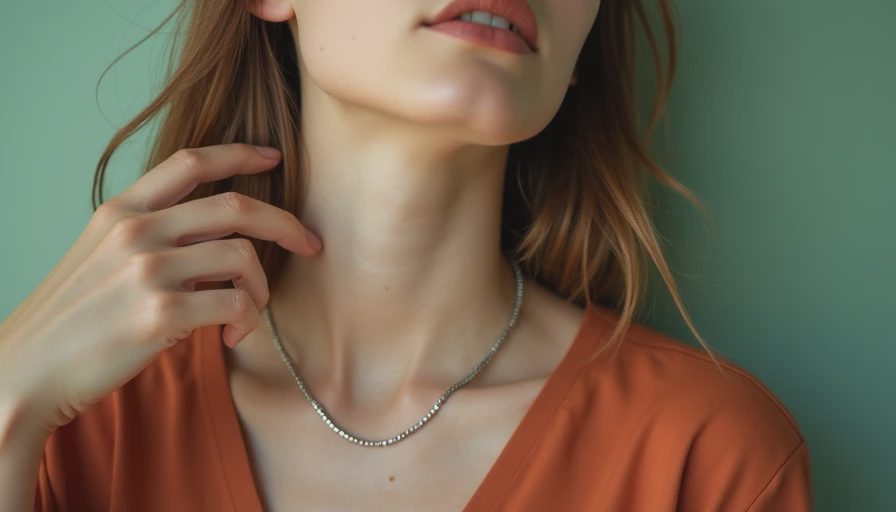
Another technique is to take a photo that tells a story. Lay the jacket on a bench in a park, not on a white background. Show the dress hanging on a branch, the shoes next to a stack of old books. The visual hook pairs with the written one. On Swapup, listings with a strong story photo and a creative description sell 30% faster than those without, based on my experience watching my own shop and friends' shops.
A Few Words on Honesty
I'm not telling you to invent stories. I'm saying pay attention to the ones that are already there. Every secondhand garment has a real history. If you don't know it, imagine one that feels true. But never lie about condition. If a sweater has a tiny hole, mention it in the hook—make it part of the charm: “This sweater has a small moth nibble near the cuff—it's barely visible but gives it that well-loved look.” Buyers appreciate transparency. It builds trust, and trust leads to repeat sales.
Wear your story.
---
Chloe Brennan writes from Brooklyn about fashion, secondhand living, and the art of paying attention. Follow her at Wear Your Story.