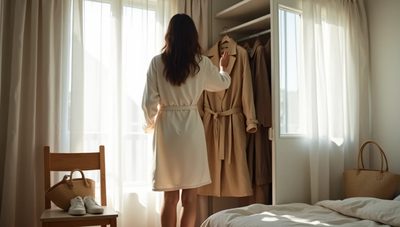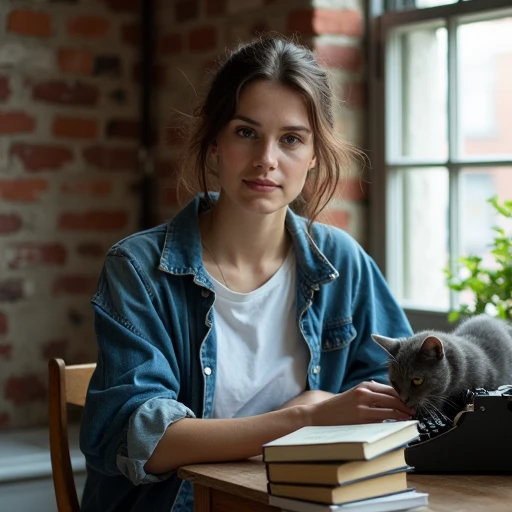
I found my favorite coat on a rainy Saturday at a Salvation Army in Greenpoint. It was a men's wool trench, perfectly worn at the elbows, with a faint smell of cedar and someone's old perfume. The tag said $8. I paid and walked out feeling like I'd discovered a secret. That coat has taken me through three winters, four city moves, and countless compliments. It's also a small part of something much bigger: the **secondhand fashion market circular economy**, a movement that's quietly transforming how we think about clothes, waste, and value.
For years, I bought into fast fashion because it was cheap and easy. But every time I tossed a $15 T-shirt after a few washes, I felt a tug of guilt. Then I started thrifting seriously, and I realized that pre-owned clothes aren't just budget-friendly—they're part of a system that keeps garments in use, out of landfills, and in the hands of people who actually love them. That's the circular economy at work, and the secondhand fashion market is its most vibrant expression.
What the Circular Economy Means for Thrift Shoppers Like Me
The circular economy is a fancy term for something simple: instead of making, using, and throwing away (that's linear), we keep resources in use for as long as possible. In fashion, that means buying secondhand, repairing, swapping, and reselling. The **secondhand fashion market circular economy** isn't just a trend—it's a necessary shift. According to a 2023 report from ThredUp, the global secondhand apparel market is expected to double in the next five years, reaching $351 billion by 2027. Every time I buy a used sweater instead of a new one, I'm voting for that future.
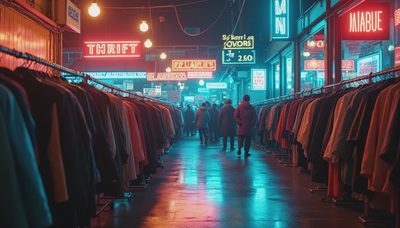
I see the circular economy in action every weekend at the Brooklyn Flea. I've watched a woman try on a 1980s blazer, laugh at her reflection, then hand it to her friend, who bought it on the spot. That blazer had a life before them—maybe it belonged to a lawyer in Manhattan, or a professor in the suburbs. Now it's starting a new chapter. No new materials, no manufacturing energy, no packaging. Just a garment living its best life.
How Thrifting Reduces Waste and Builds Community
Thrifting isn't just about saving money or being eco-friendly—it's also about connection. I've made friends at estate sales, swapped tips with fellow vintage hunters on Instagram, and even traded a denim jacket for a pair of boots at a clothing swap. The **secondhand fashion market circular economy** thrives on these micro-communities. When you buy secondhand, you're not a passive consumer. You're an active participant in a story.
Take my favorite pair of leather loafers. I found them at a yard sale in Bushwick. The seller told me they were her grandmother's, that she'd worn them to church every Sunday for twenty years. I paid $5. Now I wear them to write at coffee shops, and I think about that grandmother every time I lace them up. That's the kind of storytelling you can't get from a mall.
Why the Secondhand Fashion Market Is Booming
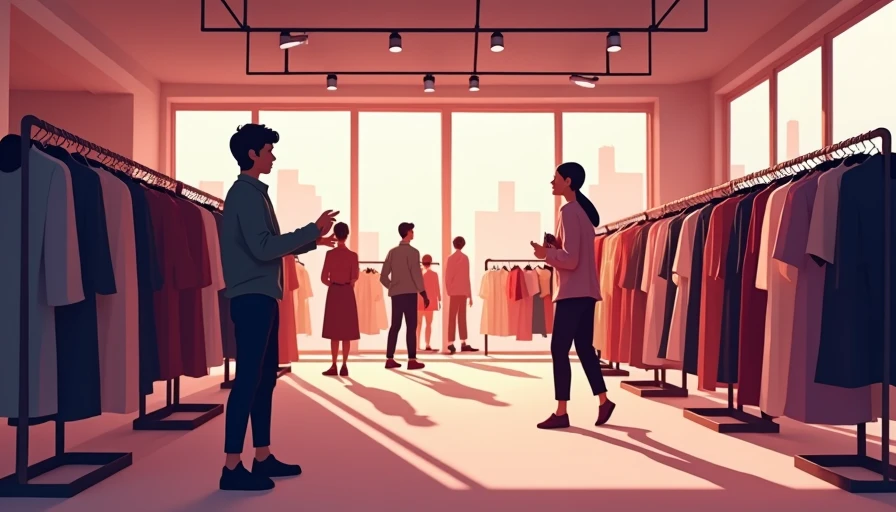
The demand for secondhand clothes is exploding. Platforms like Depop, Poshmark, and Vinted have made it easier than ever to buy and sell pre-owned fashion. Gen Z and millennials are driving this growth, prioritizing sustainability and uniqueness over labels. Even luxury brands are getting in on it: Gucci, Stella McCartney, and Patagonia have launched resale or repair programs. The **secondhand fashion market circular economy** is no longer niche—it's mainstream.
But there's a catch. As the market grows, prices can creep up. Vintage Levi's that cost $10 five years ago now fetch $60 online. Still, the overall value remains unbeatable. You get higher quality for less money, and you're reducing demand for new production. Every secondhand purchase cuts carbon emissions by an average of 1.5 kilograms of CO2e per item, according to estimates from WRAP. Small choices add up.
Tips for Building a Circular Wardrobe
If you want to join the **secondhand fashion market circular economy**, start small. Here's what works for me:
- **Shop with intention.** Don't buy something just because it's cheap. Ask: Do I love it? Will I wear it? Does it fit my life?
- **Learn to see quality.** Inspect seams, fabric, and zippers. Natural fibers like cotton, linen, and wool last longer.
- **Rotate items out.** When you're done with a piece, pass it on—donate, sell, or swap. Keep the cycle moving.
- **Try specific thrift stores.** In NYC, I swear by Housing Works and L Train Vintage. Find your own local gems.
- **Be patient.** The perfect find takes time. That's part of the pleasure.
The Quiet Rebellion of Secondhand Style
There's something quietly radical about wearing someone else's old clothes. It says you're not defined by the new; you're defined by the story. The **secondhand fashion market circular economy** is more than an economic shift—it's a cultural one. It's about valuing the past, embracing imperfection, and choosing connection over consumption.
So next time you need a coat, skip the mall. Head to a thrift store, a flea market, or a resale app. Look for the signs of wear—the faded patches, the mended buttons. Those are the marks of a life already lived. And when you wear it, you're not just wearing fabric. You're wearing a past, a present, and a future all at once.
Wear your story.