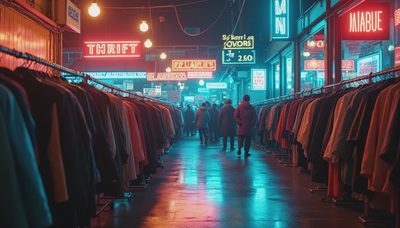
I remember the exact moment I started seeing the **advantages of shopping secondhand sustainable fashion**. It was a rainy Saturday in Bushwick, and I was standing in a cramped thrift store that smelled like cedar and old books. I’d just found a perfectly aged Levi’s denim jacket for $12—the kind that takes years to break in but already felt like mine. That jacket became the centerpiece of my wardrobe, and it sparked a shift in how I think about clothes. The **advantages of shopping secondhand sustainable fashion** aren’t just about saving money—they’re about wearing stories, reducing waste, and choosing a slower, more intentional way of dressing.
Thrifting Saves Money Without Sacrificing Style
Let’s be honest: the most obvious advantage is the price tag. A new fast-fashion blouse might cost $25, but a vintage silk blouse from a thrift store can cost half that—or less. I’ve built entire outfits for under $40 that look and feel more luxurious than anything I could buy new at the mall. Last fall, I found a cashmere sweater with a tiny mend at the elbow for $8. A few stitches later, it was good as new. That same sweater from a brand-name store would have been at least $100. When you shop secondhand, your dollar buys better materials, timeless cuts, and items that have already proven their durability.
But it’s not just about saving—it’s about getting more for less. Designer labels, high-end fabrics, and classic silhouettes are often available for a fraction of their original price. I once scored a nearly new pair of Frye boots for $30 at a Salvation Army. They’d probably been worn twice. The original owner paid over $300. That kind of discovery makes thrifting an adventure. Every trip is a treasure hunt, and the rewards are both financial and emotional.
Environmental Benefits That Actually Add Up
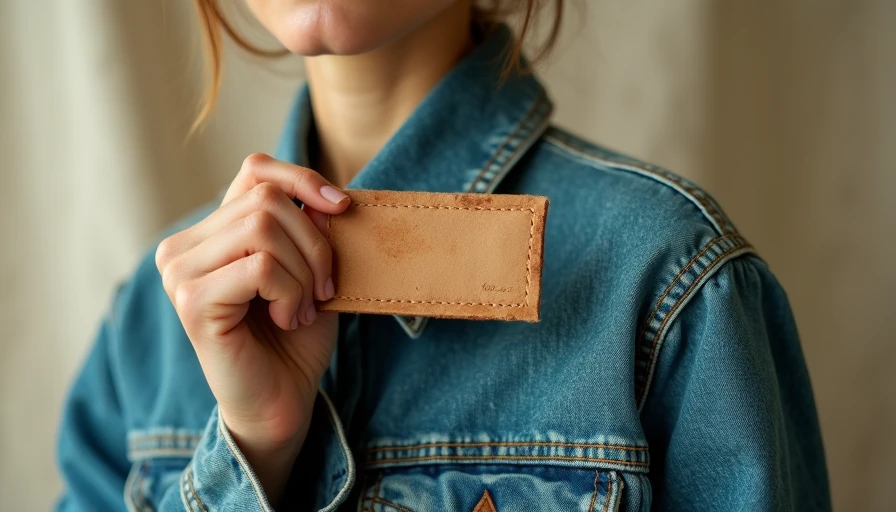
One of the biggest **advantages of shopping secondhand sustainable fashion** is the impact on the planet. The fashion industry is responsible for about 10% of global carbon emissions—more than international flights and maritime shipping combined. Every time I buy a used garment instead of a new one, I’m keeping that item out of a landfill and reducing the demand for new production. According to the Ellen MacArthur Foundation, extending the life of a garment by just nine months can reduce its carbon footprint by up to 30%. That’s huge.
I think about the water saved, too. It takes about 2,700 liters of water to make one cotton shirt. When I buy a secondhand cotton shirt, all that water was already spent. I’m not adding to the tally. And with microplastic pollution from synthetic fabrics, choosing a natural-fiber garment from a thrift store often means avoiding brand-new polyester pieces that shed fibers into our waterways. Every thrifted outfit is a small act of conservation.
Building a Wardrobe With History and Character
There’s a difference between wearing clothes and wearing a story. My favorite thrifted piece is a 1970s wool coat I found at a stoop sale in Park Slope. It’s heavy, with wide lapels and a hidden pocket inside the lining. I imagine the woman who wore it—maybe she was a professor at NYU, or a librarian who rode the subway every morning. That coat has seen decades. Now it’s part of my life. When I wear it, I feel connected to someone else’s history, and that adds a layer of meaning no new coat can offer.
The **advantages of shopping secondhand sustainable fashion** go beyond style. They give your wardrobe depth. You won’t see five other people wearing the same thing. Your clothes become conversation starters. “Where did you get that?” isn’t followed by “Zara” but by “A tiny vintage shop on the Lower East Side—the owner told me it belonged to a Broadway costume designer.” That story is worth more than a price tag.
Avoiding the Ethical Pitfalls of Fast Fashion
I’m not here to shame anyone, but I can’t ignore the human cost of new cheap clothes. Many fast-fashion brands rely on underpaid workers in unsafe conditions. When you buy secondhand, you step out of that cycle. The garment has already been produced; your purchase doesn’t create demand for more labor exploitation. That’s one of the most compelling **advantages of shopping secondhand sustainable fashion**: it aligns your values with your wallet.
I still remember the 2013 Rana Plaza collapse in Bangladesh, which killed over 1,100 garment workers. That tragedy was a wake-up call for many, including me. I started asking: where do my clothes come from? Who made them? Secondhand shopping removes the guesswork. You’re not funding a supply chain you know nothing about. Instead, you’re giving new life to something that already exists—and that feels ethical in a quiet, honest way.
How to Start Your Secondhand Journey
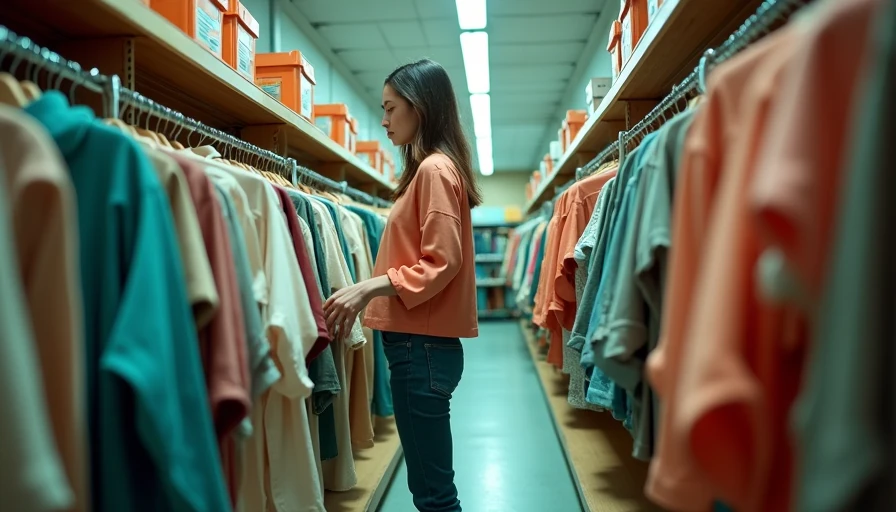
If you’re new to thrifting, begin with one category: denim, jackets, or sweaters. Those tend to be high-quality and abundant. Look for signs of wear carefully—check zippers, seams, and stains. Don’t be afraid to alter pieces; I’ve hemmed pants and taken in waistlines for under $20. Consistency is key: visit the same stores regularly, because inventory changes daily. Online platforms like Depop, Poshmark, and ThredUp make it easy to search specifics. I set filters for my size and favorite brands and check new listings each morning.
Remember, the goal isn’t to replace your whole wardrobe overnight. Start with a few key pieces—a well-made blazer, a pair of leather boots, a silk scarf. You’ll quickly see the **advantages of shopping secondhand sustainable fashion** in how much more interesting your daily outfits become. And you’ll feel good knowing your choices are kinder to the planet and to the people who make our clothes.
Conclusion: Wear Your Story
Shopping secondhand isn’t a trend—it’s a return to something more thoughtful. Every thrifted piece carries a past, and now it carries yours. The **advantages of shopping secondhand sustainable fashion** are clear: you save money, protect the environment, build a unique wardrobe, and shop with a clear conscience. Next time you need something new, try looking for something old first. You might find not just a garment, but a story you never knew you needed to wear.
*Wear your story.*