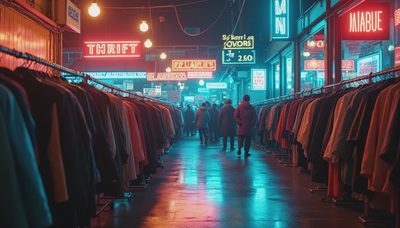
I still remember the first time I stepped into a Goodwill off Route 9 back in Albany. The smell of old wood and fabric softener, the rows of polyester blouses from the 80s, and that one perfect corduroy jacket with a broken zipper that I wore for three years. Back then, I wasn't thinking about the **environmental benefits of buying secondhand fashion**. I was just a broke college kid looking for something unique. But now, years later, every thrifted piece I bring home feels like a small, tangible act of resistance against the waste machine of fast fashion.
The truth is, the **environmental benefits of buying secondhand fashion** are enormous. I’m not a scientist, but I’ve done my reading. The fashion industry produces 8-10% of global carbon emissions, and most of that comes from making new clothes. When you buy secondhand, you skip that entire manufacturing footprint. No new cotton fields irrigated, no petroleum-based polyester extruded, no shipping containers burning fuel across the ocean. You’re basically taking a garment that already exists and giving it a second life—and that’s the most eco-friendly thing you can do.
The Carbon Footprint Savings You Can Actually Feel
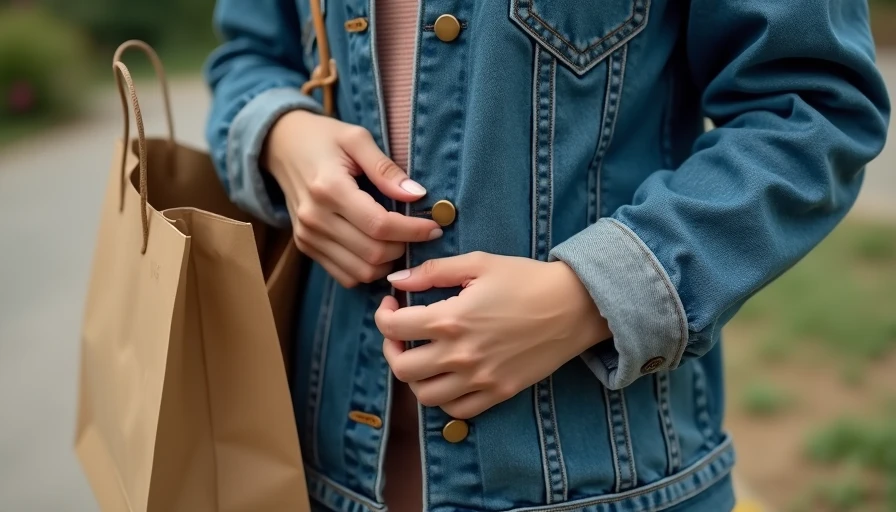
Let me give you a concrete example. I have a wool coat I bought at a flea market in Williamsburg for $30. It’s from the 90s, probably made in Italy, and it still has that slightly mothballed smell that I actually love. To produce a new wool coat? According to the usual lifecycle assessments, it takes about 20-30 kilograms of CO2 equivalent. That’s like driving 60 miles in a gas car. My thrifted coat? Zero new emissions. Maybe a tiny bit from the drive to the flea market and the seller’s electricity, but essentially nothing.
This isn’t just about one coat. Multiply it by every secondhand purchase. A study by the Ellen MacArthur Foundation found that extending the life of a garment by just nine months reduces its carbon, water, and waste footprints by 20-30% each. And secondhand usually extends a garment’s life by years, not months. When I think about the **environmental benefits of buying secondhand fashion**, I think about all those saved emissions stacking up like unlit candles.
How Secondhand Shopping Keeps Textiles Out of Landfills
Every year, Americans throw away about 11 million tons of textiles. That’s roughly 80 pounds per person. Most of it ends up in landfills, where synthetic fabrics like polyester can take hundreds of years to decompose, leaking microplastics into the soil and water. When you buy secondhand, you’re diverting that item from the trash pile. You’re the one who keeps it out of a hole in the ground.
I think about this every time I find a pair of jeans that someone else wore for a season and then donated. Those jeans might have sat on a thrift store rack for weeks before I bought them for $12. But now they’re in my rotation, being worn, washed, repaired with patches when they tear. They’re not in a landfill. That’s a direct environmental win.
It’s Not Just About Stuff — It’s About Mindset
But the **environmental benefits of buying secondhand fashion** go beyond numbers. They’re about the way we think about clothes. When you thrift, you stop seeing garments as disposable. You start looking for quality, for construction that lasts, for materials that feel good. You become more attached to each piece because it came with a story—the faded label of a dry cleaner in some other city, a handwritten note in a pocket. That emotional connection makes you take better care of your clothes. You mend them, you wash them gently, you hold onto them longer. And that alone reduces waste.
I have a linen dress I found at a stoop sale in Park Slope. It was $5, slightly sun-faded, with a button missing. I replaced the button and now I wear it every summer. That dress could have ended up in a dumpster. Instead, it’s been with me to birthday parties, picnics, and a weekend in the Catskills. That dress is a small victory for the planet.
My Favorite Thrifted Finds and Their Hidden Environmental Impact
Let me paint you a picture: a 100% cashmere sweater from a garage sale in Greenpoint. Price: $8. To produce a new cashmere sweater, you need about 4 years’ worth of cashmere from a goat, plus the energy for processing, dyeing, and shipping. My thrifted sweater bypassed all of that. The only environmental cost was the gas I used to drive there and the electricity for the seller’s light bulb. That sweater kept me warm for three winters before I passed it on to a friend. The **environmental benefits of buying secondhand fashion** are cumulative—every item saved is a tiny patch of carbon not released, a tiny pile of waste not generated.
The truth is, thrifting isn’t just good for your wallet or your style. It’s one of the most effective personal actions you can take against climate change. Of course, it’s not enough on its own—we need systemic change, too—but every secondhand purchase sends a signal that we value what already exists. It says: we don’t need new stuff; we need to take care of what we have.
So next time you’re scrolling online or walking past a thrift store, consider the **environmental benefits of buying secondhand fashion**. Then go in. Smell the old wool. Run your fingers over a vintage silk scarf. Pick something that someone else loved before you. Wear your story—and help the planet at the same time.