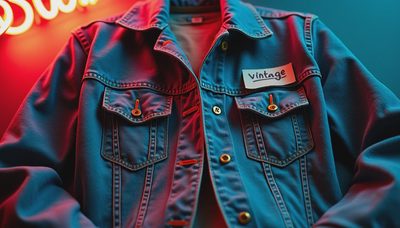
I never planned to start a secondhand fashion business. It happened gradually, like a vintage dress that sits on a rack for months until the right person walks in. Five years ago, I was a Brooklyn administrative assistant with a growing pile of thrifted treasures—vintage Levis, 90s silk blouses, a wool coat that still smelled like cedar. Friends started asking to buy them. Then strangers on Instagram. Eventually, I realized that what I thought was a hobby was actually a business waiting to happen.
If you're reading this, you might be in a similar place. Maybe you've been flipping vintage on Depop for fun, or you have a garage full of estate sale finds, or you simply love the idea of turning your eye for quality into something sustainable. The secondhand fashion business is booming, but breaking into it takes more than good taste. I learned that the hard way—through mispriced items, shipping disasters, and a lot of late nights spent steaming silk. So let me share what I wish someone had told me when I was starting out.
Why I Chose the Secondhand Fashion Business
For me, the secondhand fashion business was never about making a quick buck. It was about giving clothes a second life and telling their stories. Every piece I sell has a provenance—a thrift store in Queens, a flea market in Williamsburg, an estate sale in New Jersey. When I list an item, I don't just describe the fabric and fit; I describe the moment I found it: the dusty basement it came from, the vintage buttons, the slight fray at the cuff that proves it was actually worn. People connect with that. They buy the story as much as the garment.
This human connection is what sets a secondhand fashion business apart from fast fashion. You're not just moving product; you're curating memories. But to make it work, you need to treat it like a real business, not a hobby. That means tracking inventory, understanding your margins, and building a brand that people trust.
Finding Your Niche in the Secondhand Fashion Business
The biggest mistake I made early on was trying to sell everything. I had vintage band tees next to 2000s-era Ann Taylor blazers next to handmade pottery (okay, that wasn't even clothes). It took me eight months to figure out that a successful secondhand fashion business needs a clear focus. My niche ended up being 90s and early 2000s womenswear—think slip dresses, oversized blazers, and denim. That era is nostalgic for my primary audience (women in their late twenties to early forties), and I personally love styling those pieces for modern life.
To find your niche, ask yourself: What do I know better than anyone? What pieces do I consistently pick out for friends? What era or aesthetic makes my heart beat faster? It could be 50s rockabilly dresses, 80s power suits, or current minimalist brands like Everlane. The secondhand fashion business rewards specialization because you become the go-to source for that category. Plus, it makes sourcing easier—you know exactly what you're looking for.
The Financial Reality of a Secondhand Fashion Business
Let's talk money, because this is where many dreamers stumble. When I started, I thought profit was just selling price minus what I paid. I forgot about fees: PayPal, Depop, Poshmark, credit card processing, shipping supplies, dry cleaning, time spent photographing and listing. In my first year, I made about $12,000 in revenue, but after all costs, my net profit was around $5,000. Not bad for a side hustle, but not enough to live on.
A sustainable secondhand fashion business requires careful pricing. I aim for a 60% margin on each item after fees. That means if I buy a dress for $10, I need to sell it for at least $40 to account for the platform's cut (usually 10-20%), shipping (around $5-8), and my own labor. I also factor in unsold inventory—not everything sells, and that's okay. The key is to keep your cost per item low by hunting for deals at thrift stores (50% off days are gold), estate sales, and wholesale vintage lots.

Building a Community Around Your Secondhand Fashion Business
Here's the secret no one talks about: the secondhand fashion business runs on relationships. Not just with customers, but with other sellers, thrift store employees, and people who share your aesthetic. I grew my following by being genuinely active on Instagram—sharing outfit posts, behind-the-scenes sourcing stories, and even my own styling fails. When someone comments on a post, I reply. When a buyer leaves a review, I thank them. I make them feel like part of a club, not a transaction.
Collaborations also helped. I partnered with a local vintage store for a pop-up, which brought in customers who had never heard of my brand. I also started a monthly newsletter where I share one new arrival and one personal essay about a piece I kept for myself. That depth of content builds trust. In the secondhand fashion business, your personality is your differentiator. Nobody buys a dress from a faceless account; they buy from Chloe, who found that dress in a dusty bin in Bushwick and knew it was meant for someone special.
Common Mistakes in the Secondhand Fashion Business
Looking back, there are three mistakes I see new sellers make over and over. First: overvaluing items because of emotional attachment. Just because you love a dress doesn't mean it's worth $100. Check comps on sold listings, and be honest about condition. Second: ignoring shipping logistics. Use flat-rate boxes, invest in a scale, and always include tracking. One lost package can sink your rating. Third: trying to do everything yourself. At some point, a successful secondhand fashion business needs help—whether it's a virtual assistant for listings or a local friend to help with pop-ups.
I also learned the hard way that burnout is real. Sourcing, photographing, listing, customer service, shipping—it's a lot. I now set specific hours for business tasks and keep weekends for actual thrifting and rest. Your business should serve your life, not consume it.
Wear your story.