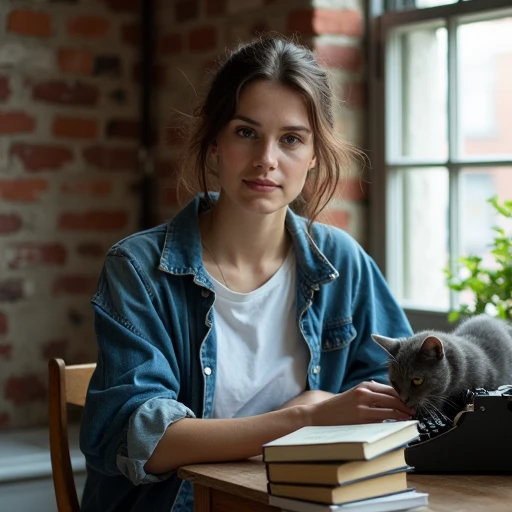
I remember the first time I truly understood what secondhand fashion trends meant. It was a cold Saturday in November, and I had wandered into a dusty thrift shop on Atlantic Avenue in Brooklyn. The smell of old wool and cedar hung in the air, mixing with the faint scent of mothballs and forgotten perfume. I pulled a corduroy blazer off the rack—it had a small tear in the lining and a faint ink stain on the sleeve. But something about it felt right. That blazer, for $14, became the centerpiece of my fall wardrobe and the beginning of my obsession with secondhand fashion trends. In the years since, I've learned that these trends aren't just about saving money or being eco-friendly; they're about connection—to the past, to the people who wore these clothes before me, and to a more intentional way of dressing.
Why Secondhand Fashion Trends Are More Than a Passing Phase
For years, fashion has been driven by the new—the latest collection, the must-have bag, the seasonal color that everyone needs to own. But there's a quieter, more meaningful shift happening. Secondhand fashion trends are no longer just a budget-friendly alternative; they are a statement about how we want to consume. When I wear a 1970s silk blouse from a Queens estate sale, I'm not just wearing a shirt. I'm wearing a story—the story of the woman who chose that floral print, who wore it to dinners and dances. And that story is part of a larger movement toward intentionality. The numbers back it up: resale platforms like Depop and Poshmark have exploded in popularity, and even luxury brands are getting in on the act by launching their own certified pre-owned programs. But for me, secondhand fashion trends aren't about following a chart—they're about finding pieces that speak to you across decades. That corduroy blazer I found? It still hangs in my closet, the tear expertly mended and the ink stain faded. Every time I put it on, I remember the cold Saturday and the feeling of discovery. That's something no new purchase can replicate.
How to Spot the Best Secondhand Fashion Trends
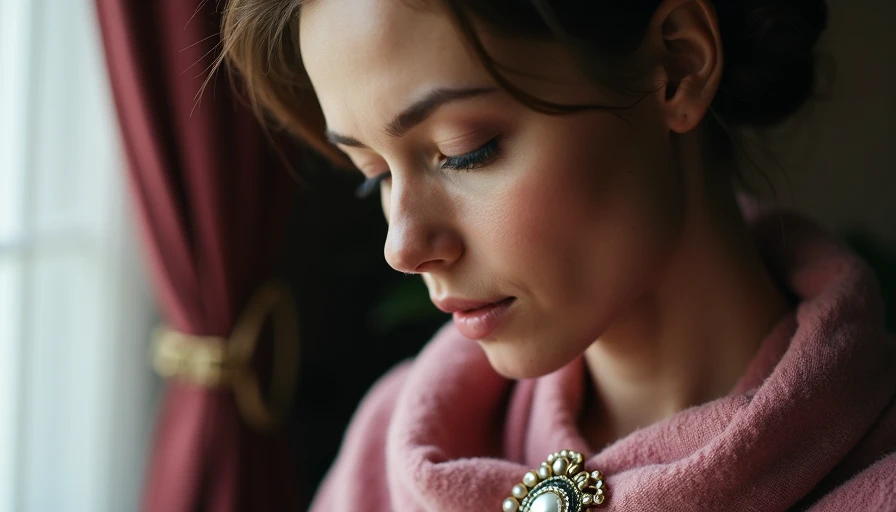
Walking into a thrift store can be overwhelming. The racks are packed, the sizes are unpredictable, and everything smells like someone else's closet. But if you slow down and pay attention, you can train your eye to recognize the pieces that will define your wardrobe. I look for quality fabrics first—natural fibers like cotton, linen, wool, and silk hold up over time and often belong to past eras of better craftsmanship. Next, I check for unique details: a hand-sewn button, a hidden pocket, a pattern I've never seen before. These are the hallmarks of true secondhand fashion trends, not the mass-produced replicas of fast fashion. One of my best finds was a 1970s leather bag with a brass buckle, found at a flea market in Hell's Kitchen. It had a faint cigarette smell and a scratched clasp, but after a little cleaning and some leather conditioner, it became my everyday bag. That's the beauty of secondhand fashion trends—they reward patience and an open mind. I've also learned to ignore sizes; vintage sizing is a mess, so I always try things on or measure against pieces I already own. And I never leave without checking the men's section—I've found some of my favorite oversized sweaters there.
Incorporating Secondhand Fashion Trends into Your Everyday Style
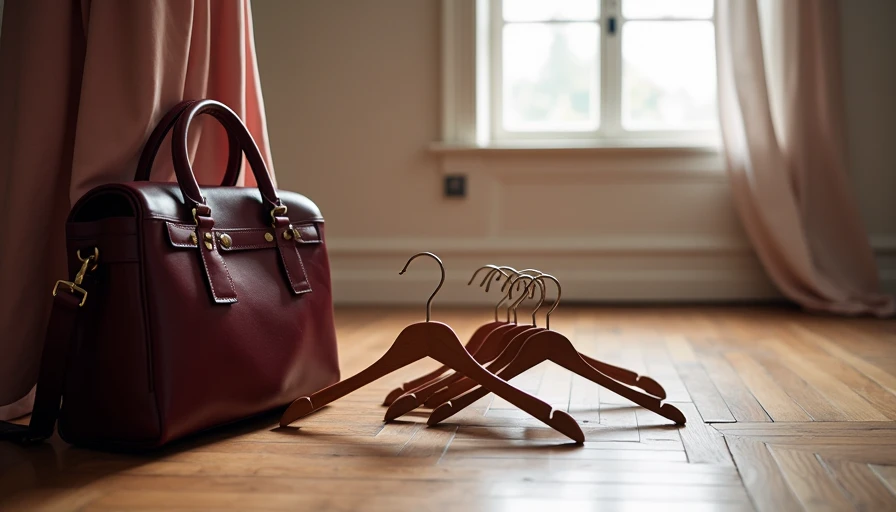
You don't need to overhaul your entire closet to embrace secondhand fashion trends. Start with one category, like outerwear or accessories. A vintage blazer can instantly elevate jeans and a t-shirt. A silk scarf from an estate sale adds a pop of color to a neutral outfit. The key is to let each piece tell its own story. I often pair a thrifted 1980s wool coat with a modern dress and boots. The contrast creates visual interest and a sense of time. And when someone compliments me, I get to share the story of where it came from—the shop in Williamsburg on a rainy Tuesday, the afternoon I found it, the woman who owned it before me (I imagine her feeding birds in the park). That's the magic of secondhand fashion trends: they make style personal. They remind us that our clothes have lives beyond our own. So next time you're tempted to buy something new, consider taking a different route. Visit a thrift store, a vintage shop, or an estate sale. You might just find a piece that becomes part of your story. And when you do, wear it like it's yours—because in a way, it is.
The Emotional Connection Behind Secondhand Fashion Trends
What draws me most to secondhand fashion trends isn't the aesthetic—it's the emotional resonance. Every garment carries a history, and I love imagining the moments it has witnessed. That 1970s blouse might have been worn to a protest or a wedding. The 1980s coat might have kept someone warm during long winter commutes. By choosing secondhand, I'm participating in a cycle of memory and meaning. This emotional connection is what makes secondhand fashion trends so powerful: they allow us to curate a wardrobe that feels authentic, not generic. I've never had anyone compliment my outfit and ask where I bought it new—they always ask, “Where did you find that?” And that's the question I love to answer. Because the answer is never a mall. It's a story.
Wear your story.