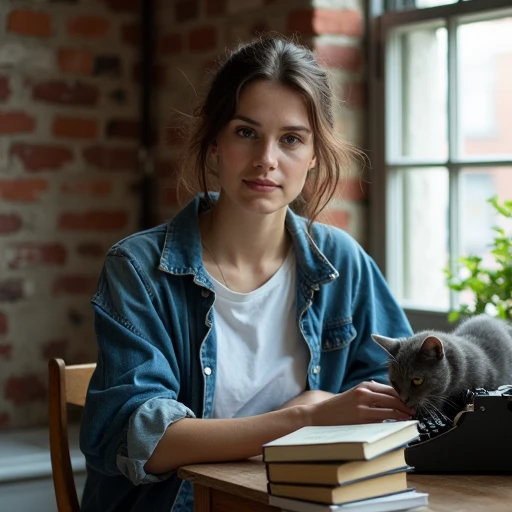
The first time I understood the pull of secondhand fashion, I was standing in a thrift store upstate with a shopping basket full of almost-nice mistakes. Then I found a soft camel coat with slightly worn cuffs and a lining printed with tiny roses. It cost less than takeout for two, but it looked like it had lived three other lives before it reached mine. That was the moment the whole thing clicked for me: style does not begin at a mall, and it does not need a shiny price tag to feel complete.
Why secondhand fashion feels more personal
What I love most about shopping secondhand is that it slows me down. In a regular store, everything is arranged to tell you what is current, what is trending, what you are supposed to want next. In a thrift shop or vintage market, the story is messier and more interesting. You find a linen shirt with sun-faded shoulders, a leather belt softened by years of wear, a pair of jeans that fit as if they were waiting for you. You are not just buying clothes. You are noticing them.
That difference matters. Secondhand fashion asks better questions than fast shopping does. Does this piece feel like me? Will I reach for it on a rushed Tuesday morning? Can I wear it with the black trousers I already own, with the old sneakers by the door, with the cardigan I keep on my desk chair? The best finds earn their place quietly. They do not need to shout.
There is also relief in it. For a lot of us, getting dressed has been tangled up with the pressure to look expensive or endlessly new. Secondhand pieces loosen that pressure. A worn-in blazer, an old silk scarf, a broken-in boot with a little weather on it can make an outfit feel grounded, not performative. The charm is in the life already stitched into the fabric.
How to shop secondhand without bringing home regret
I have made every thrift-shopping mistake available to a person with good intentions and a weak spot for old wool. I have bought beautiful things that pinched, sagged, shed, or simply did not belong in my real life. So now I keep a small mental filter when I shop for secondhand fashion, and it saves me every time.
First, I look at fabric before I look at labels. Cotton, wool, linen, silk, and sturdy denim tend to age with grace. Cheap synthetics usually tell on themselves after a few wears. Next, I check the parts that reveal the truth: underarms, hems, crotch seams, buttons, lining, and cuffs. If those areas are in good shape, the rest usually follows.
Then I ask one practical question: would I wear this in the next two weeks? If the answer is no, I put it back. Fantasy purchases are the fastest way to turn a charming find into closet clutter. I also try to shop with a short list in mind. Maybe I need a white button-down, straight-leg jeans, or a simple black dress. A little structure keeps the hunt from becoming noise.
The best pieces to buy secondhand first
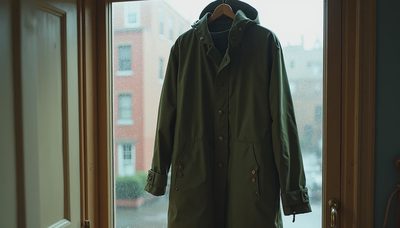
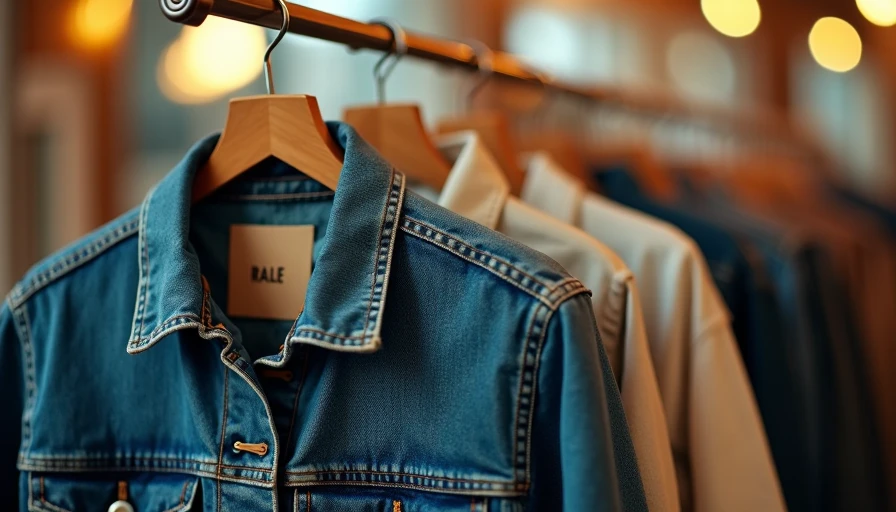
If you are new to secondhand fashion, start with categories that offer a lot of reward and not much risk. Outerwear is at the top of my list. Coats, trench jackets, denim jackets, and wool blazers often hold up beautifully, and older versions can feel better made than newer ones at the same price. I once found a navy wool coat for under $40 that became my entire winter personality.
Button-down shirts are another easy win, especially in cotton or linen. Men’s sections can be especially good for this if you like an oversized shape. Jeans can be excellent too, though they require patience. Try more pairs than you think you need, and do not get too attached to the number on the tag. Vintage sizing is its own little poem.
Leather bags, belts, and silk scarves are where secondhand fashion really shines. These pieces age into themselves. A bag with a softened handle or a scarf with slightly hand-rolled edges often brings more character to an outfit than something brand new ever could.
The pieces I skip most often are anything too trend-specific or too damaged to be realistic. If it needs major tailoring, special cleaning, and a prayer, it is probably not a bargain.
How to style secondhand fashion so it feels current
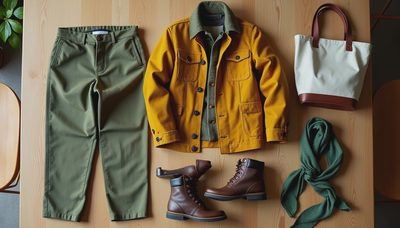
A common fear is that secondhand means costume, or that vintage automatically reads too precious. In real life, the easiest way to make secondhand fashion feel modern is to mix it with simple, ordinary basics. An older suede jacket with a white tee and straight jeans. A thrifted blazer with trousers and clean loafers. A silk skirt with a gray sweatshirt and sneakers. The contrast keeps things human.
I think this is why secondhand dressing can feel so emotionally satisfying. It lets you build an outfit that looks like a person dressed herself, not like a store assembled a mannequin. A little age in the fabric, a little softness in the shoe, one unexpected detail at the collar or wristline, and suddenly the whole look has depth.
When I style thrifted pieces, I try not to over-explain them. If a vintage dress feels too sweet, I add a sturdy jacket. If an old blazer feels severe, I wear it with relaxed denim. Let one item carry the history and let the rest of the outfit create ease around it.
Where secondhand fashion fits into real life
The nicest thing about secondhand fashion is not that it is cheaper, though it often is. It is that it gives you a way to dress with attention. You begin to notice quality, shape, texture, repair, and repetition. You stop chasing the little rush of constant newness and start building a wardrobe that actually belongs to you.
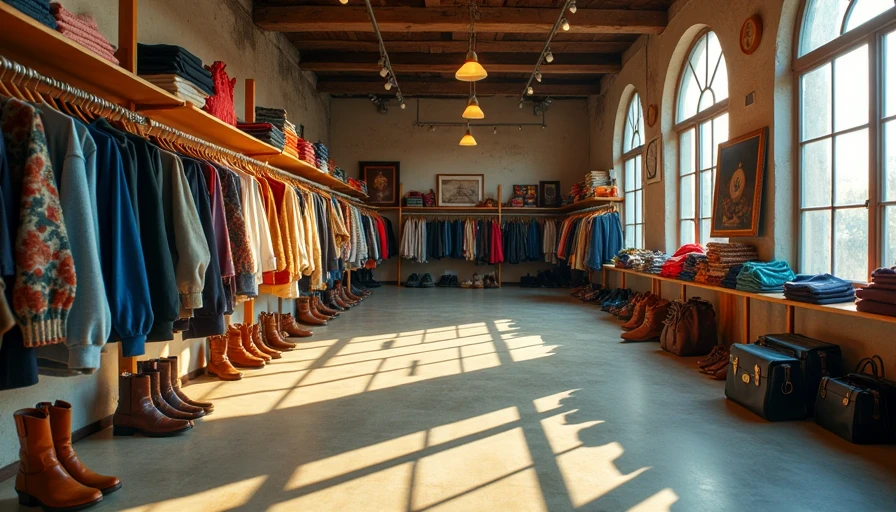
That can happen anywhere, not just in the perfect vintage shop with good lighting and French music in the background. It can happen in a small-town thrift store, at a church rummage sale, on a resale app at midnight, or in a weekend flea market where you dig through bins with cold fingers and a coffee in hand. Secondhand fashion meets you where you are.
If you want to begin simply, choose one category this month: maybe coats, maybe denim, maybe bags. Look for one excellent piece instead of five almost-right ones. Learn your fabrics. Learn your fit. And when you find something that feels quietly right, take it home and let it become part of your days.
That, to me, is the whole point. Clothes can carry memory before we even put them on. Wear your story.