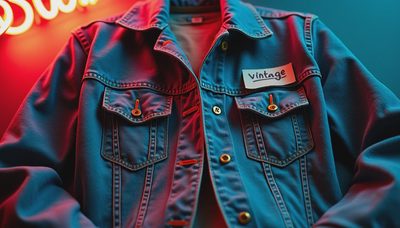
I remember the first time I walked into a Goodwill off Route 9 in Albany, fresh out of college, clutching a twenty-dollar bill like it was a golden ticket. That day, I found a perfectly worn-in Levi’s denim jacket for eight dollars—still one of my most treasured pieces. Back then, buying secondhand felt like a secret pleasure, a thrifty habit only I and a few savvy friends practiced. But in 2025, the **secondhand fashion market size** has exploded beyond anything I could have imagined. According to industry reports, the global secondhand market is now valued at over $200 billion, and it's projected to nearly double in the next five years. That growth isn't just numbers—it's a shift in how we think about clothing.
What’s Driving the Secondhand Fashion Boom?
The **secondhand fashion market size** is surging thanks to a perfect storm of economic and cultural forces. Inflation and rising living costs have made new clothes feel like a luxury many can't afford, so more shoppers are turning to thrift stores, consignment shops, and resale platforms. But it's not just about saving money—it's also about values. A recent survey found that nearly 70% of Gen Z and Millennials prefer secondhand shopping because it reduces textile waste. Platforms like Depop, Poshmark, and ThredUp have made buying used as easy as scrolling an Instagram feed, with user-friendly apps that authenticate items and handle shipping. Even luxury brands are getting on board: Gucci and Stella McCartney now partner with resale services. This accessibility and acceptance are fueling the market's rapid expansion.
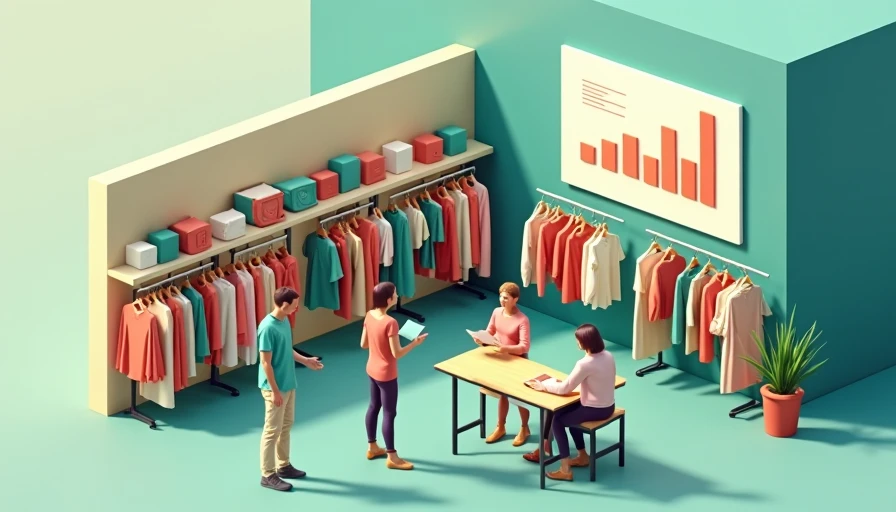
How Resale Platforms Are Changing the Game
Online resale is the primary driver of the **secondhand fashion market size** growth. ThredUp's 2024 Resale Report stated that the resale market is growing 11 times faster than traditional retail. Depop, with its 30 million users, has turned vintage hunting into a social experience, complete with likes, follows, and direct messaging. Poshmark, meanwhile, focuses on peer-to-peer sales, allowing anyone to become a seller. These platforms have democratized fashion, making it possible for a teenager in Ohio to sell a vintage band tee to someone in Paris. The convenience of selling from your closet and the thrill of finding a rare piece at a fraction of retail price keep users coming back. For me, it's how I found a 1990s Coach bag for $45—a bag that originally sold for $300. The market size wouldn't be where it is without these digital marketplaces.
The Economics of Secondhand: Price, Quality, and Accessibility
When we talk about the **secondhand fashion market size**, we have to talk about what makes it economically viable. Secondhand goods typically sell for 50-80% less than their original retail price, making fashion accessible to a broader audience. But it's not just about cheap clothes—quality is often better. Older garments were made to last, with real stitching, natural fibers, and timeless designs. I've bought fast-fashion pieces that fell apart after three washes, but my thrifted wool trousers from the 80s are still going strong. This value proposition is especially appealing to young shoppers who want to look stylish without breaking the bank. The market size reflects a growing demand for affordable, durable clothing that doesn't sacrifice style.
Environmental Impact and Ethical Considerations
The environmental angle is a huge factor in the **secondhand fashion market size** expansion. The fashion industry is one of the largest polluters globally, but buying secondhand extends the life of garments, reduces carbon emissions, and keeps textiles out of landfills. A single reused item saves about 1,000 gallons of water compared to making a new one. Consumers are becoming more conscious of these facts, and that awareness drives them to thrift. I don't claim to be perfect—I still buy new pieces occasionally—but I've made secondhand my default choice. The market size growth correlates with this ethical shift; people want to shop their values. As more shoppers vote with their dollars, the industry responds, and the secondhand fashion market size will likely keep climbing.
What the Future Holds for Secondhand Fashion
Looking ahead, the **secondhand fashion market size** is expected to reach $350 billion by 2028. Traditional retailers are taking notice: Macy's now sells curated secondhand goods in some stores, and even luxury houses are launching their own resale programs. Technology will play a role too—AI tools for sizing and authentication will reduce friction, making secondhand shopping even smoother. I recently tried a rental-and-resale subscription from Nuuly, and it felt like the logical next step. The future of fashion isn't just new—it's circular. Markets, thrift stores, and online platforms will blend into a seamless ecosystem where the idea of "pre-owned" becomes as normal as "new."
As I write this, I'm wearing a cashmere sweater I found at a Brooklyn thrift shop last winter. It cost me $18, and it has a tiny darn on the elbow that tells its own story. The secondhand fashion market size may be measured in billions, but for me, it's measured in moments like these—finding beauty and meaning in clothes that have lived a life before me. Whether you're a seasoned thrifter or a curious newcomer, the secondhand movement is open to everyone. So next time you need something to wear, try the secondhand route. You might find a piece that adds a new chapter to your story.
*Wear your story.*