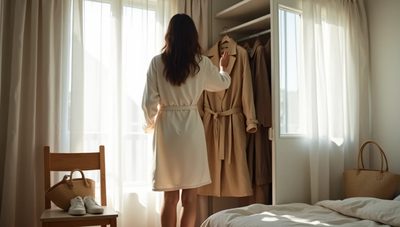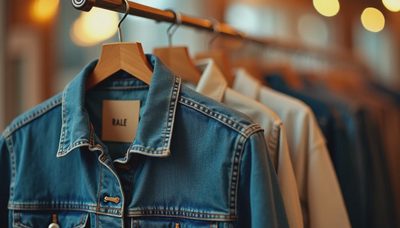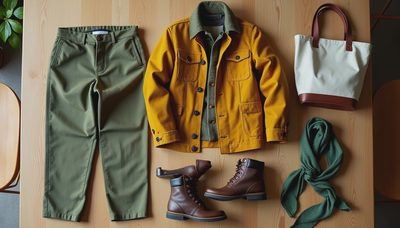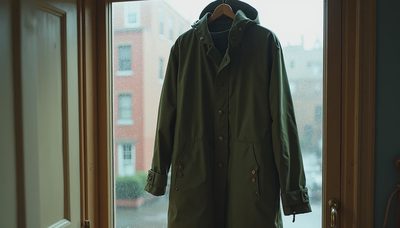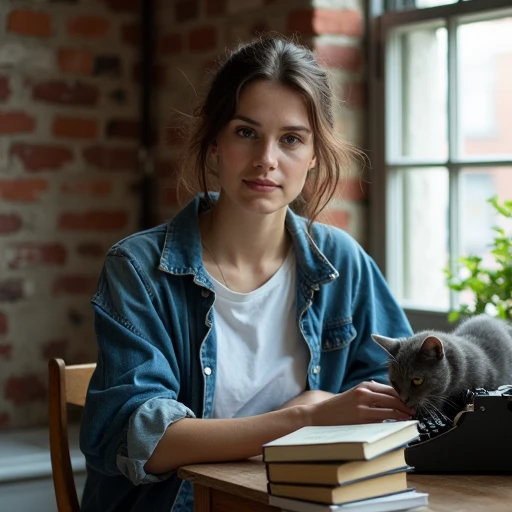
If you’ve ever wondered what is secondhand fashion, let me tell you about the first time I really understood it. I was 23, newly moved to Brooklyn, and wandering into a Goodwill off Atlantic Avenue on a rainy Saturday. The smell of old cedar and detergent hit me as I flipped through a rack of blazers. One caught my eye—a soft gray wool with a faint pen stain on the sleeve. It cost $12. I bought it, wore it to a job interview the next week, and got the job. That blazer didn’t just cover my shoulders; it carried a story I’d never know, and starting that day, I became part of it. That’s what secondhand fashion is: clothes with a past, waiting for a new chapter.
For me, secondhand fashion isn’t just about saving money or being eco-friendly—though both are real perks. It’s about connection. Every garment I’ve found at a thrift store, estate sale, or flea market feels like a secret handshake with someone I’ll never meet. A 1980s silk blouse that smells faintly of perfume. A pair of Levi’s with a worn-out knee that hints at a thousand bike rides. This kind of shopping turns getting dressed into an act of storytelling. You’re not just picking an outfit; you’re choosing a piece of someone else’s life to carry forward.
What Secondhand Fashion Means to Me
I’ve been thrifting for seven years now, and my definition has evolved. When I started, I thought of it as budget-friendly hunting—finding designer labels for a fraction of their price. And sure, I’ve scored a real Burberry trench for $40 and a vintage Coach bag for $15. But somewhere along the way, the thrill of the deal faded into something quieter. Now, what is secondhand fashion? For me, it’s a way of paying attention. It’s walking into a shop with no list, letting the clothes speak to me. A coral camp shirt from the ’70s might remind me of my grandmother’s backyard garden. A chunky sweater might feel like a hug on a cold Tuesday. That’s what keeps me coming back.
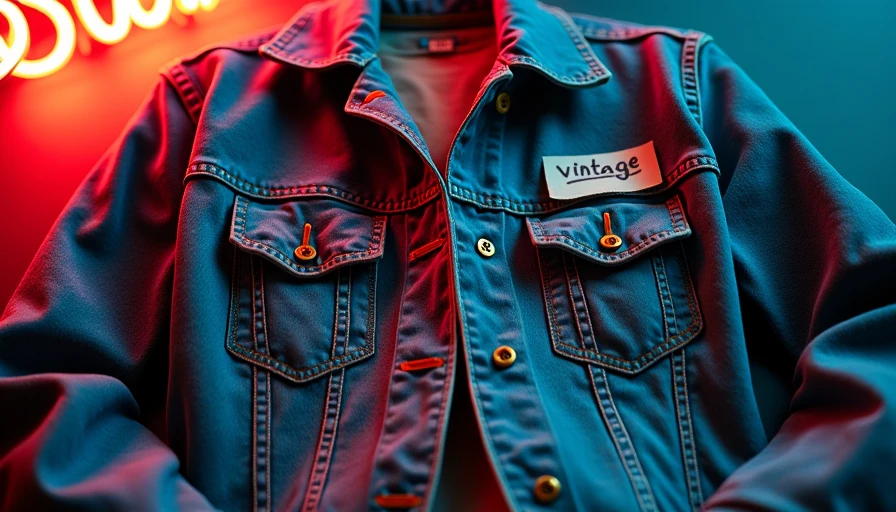
There’s a misconception that secondhand fashion means settling for someone else’s leftovers. In reality, it’s about curation. I spend more time browsing than I ever did in a mall, but I leave with things that feel truly mine. I remember finding a navy wool skirt at a church rummage sale in Crown Heights. It was too big, but I took it to a tailor down the street, and for $20, it became the best piece in my wardrobe. That kind of intentionality—choosing, altering, caring for—makes every item feel personal.
The History Behind Every Find
One of the most magical parts of secondhand fashion is the history. I once found a box of letters tucked into the pocket of a tweed jacket—love letters from the 1950s. I read a few, then carefully folded them back. That jacket has been on day trips to the Catskills and to readings at the Strand, and I feel like I’m carrying a little romance with me. Not every piece has something so dramatic, but even a simple cotton sundress might have been worn to a beach picnic or a summer wedding. That’s the beauty: you never know, but you can imagine.
I’ve learned to look for clues—faded tags from local cleaners, a hem that’s been let out, a monogram sewn inside. These details turn an ordinary piece into a puzzle. And when I wear something secondhand, I feel less like a consumer and more like a custodian. I’m not starting fresh; I’m continuing a story.
Why Secondhand Fashion Is More Than a Trend
The media loves to frame thrifting as a trend—especially among young people who want to be sustainable without sacrificing style. And sure, it has exploded in popularity. Depop, Poshmark, and even Instagram have made buying and selling pre-loved clothes easier than ever. But for me, what is secondhand fashion when the hype fades? It’s a philosophy. It’s choosing quality over quantity, patience over instant gratification. My wardrobe takes time to build. I don’t buy something just because it’s trendy; I buy it because it feels like it belongs to my life.
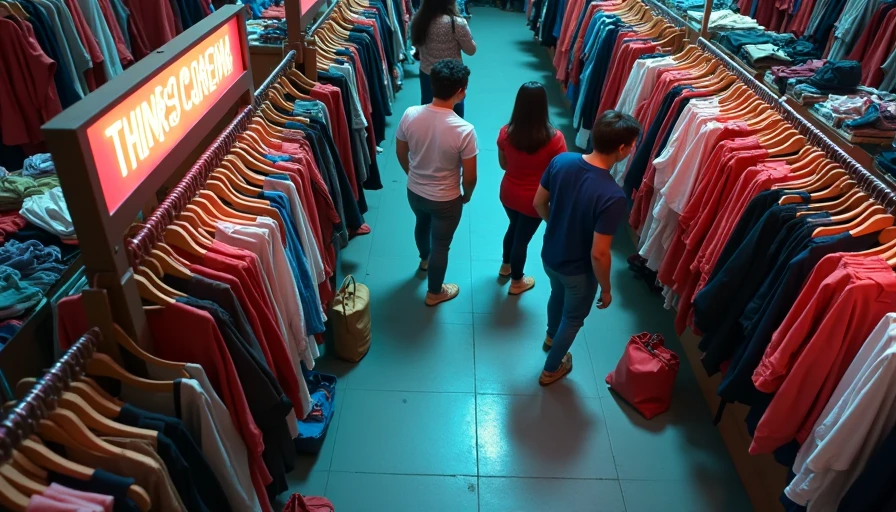
This isn’t an anti-fast-fashion rant. I still wear things from H&M that I’ve had for years. But secondhand fashion has taught me to see clothes differently. The best items in my closet are the ones that come with a whisper of history. And when I get compliments on a dress—like the emerald green one I found at a thrift in Red Hook—I don’t say “thanks, it’s vintage.” I say, “It was $18, and I think it belonged to someone who loved to dance.” That story means more than the label ever could.
How to Start Your Own Secondhand Wardrobe
If this resonates with you, start small. You don’t need to overhaul your entire closet. Pick one day this weekend and visit a local thrift store or browse an online resale site. Look for natural fibers—cotton, wool, linen—that last. Check for stains or holes, but don’t be afraid of fixable flaws. A missing button or a loose seam is an easy DIY. And most of all, go with curiosity, not a checklist. Let the clothes find you.
As I write this, I’m wearing a cream cashmere sweater I found at a flea market in Williamsburg last fall. A woman told me it was her grandmother’s, and she was selling it after she passed. I paid $10. It’s seen jazz clubs and laundry lines and quiet afternoons on a porch. Now it’s part of my morning coffee routine. That’s the thing about secondhand fashion: you never just buy clothes. You inherit stories. Wear your story.