I still remember the first time I walked into a Goodwill off Route 9 back in Albany. I was fifteen, made a beeline for the clearance rack, and left with a copper-colored wool blazer that smelled faintly of cedar and mothballs. I wore it for the next six years—to school, to my first job interview, to the day I quit that job. That blazer was my first lesson in the **sustainable benefits of buying secondhand fashion**: you don't just save a garment; you inherit its story. Now, a decade later, I’ve built a wardrobe almost entirely from thrift stores and estate sales, and I can tell you—the environmental and personal payoff is real.
What Does “Sustainable” Really Mean in Fashion?
Sustainability in fashion often gets reduced to buzzwords: “eco-friendly,” “ethical,” “slow fashion.” But when you buy secondhand, you’re bypassing the entire production chain. No new water is used to grow cotton, no new factories emit carbon, no new packaging gets thrown away. The most sustainable piece of clothing is the one that already exists. A 2017 study from the Ellen MacArthur Foundation estimated that the fashion industry produces 92 million tons of textile waste every year. Buying a used wool sweater instead of a new one directly cuts into that pile. For me, every thrifted item is a small act of rebellion against the waste—and a very personal one.
The Environmental Impact of Thrifting: Beyond the Numbers
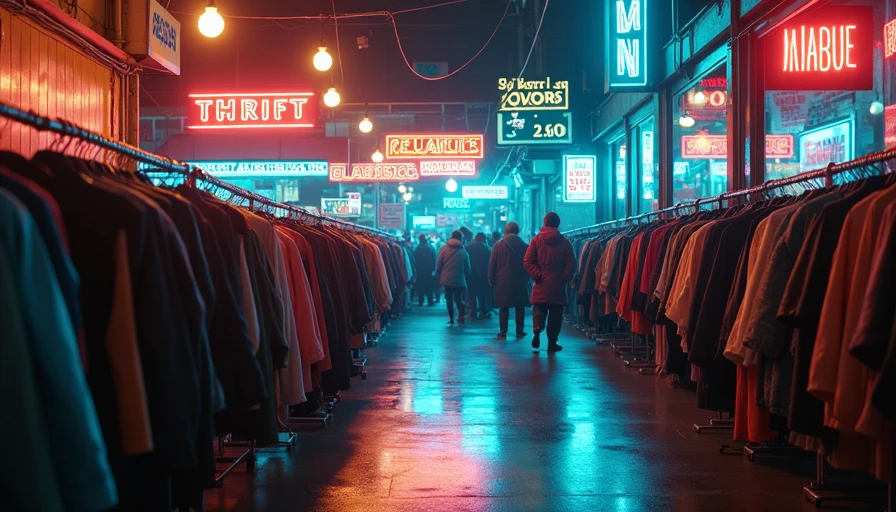
Let’s talk specifics. A new cotton T-shirt requires about 2,700 liters of water to produce—that’s what one person drinks in 2.5 years. When you buy a used one, you save every single one of those liters. Multiply that across a full wardrobe: a pair of secondhand jeans saves 1,800 gallons of water; a used synthetic jacket prevents microplastics from entering the ocean for a second time. I started tallying my own savings after a trip to Housing Works in Manhattan last spring. I bought a linen dress for $12, a cashmere blend sweater for $8, and a pair of leather boots for $18. In new condition, producing those three items would have consumed roughly 10,000 liters of water and released 50 pounds of CO₂. Instead, they traveled a few blocks from someone’s closet to mine.
The Human Side: Why Your Wardrobe Has a Story
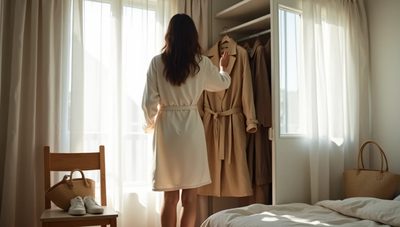
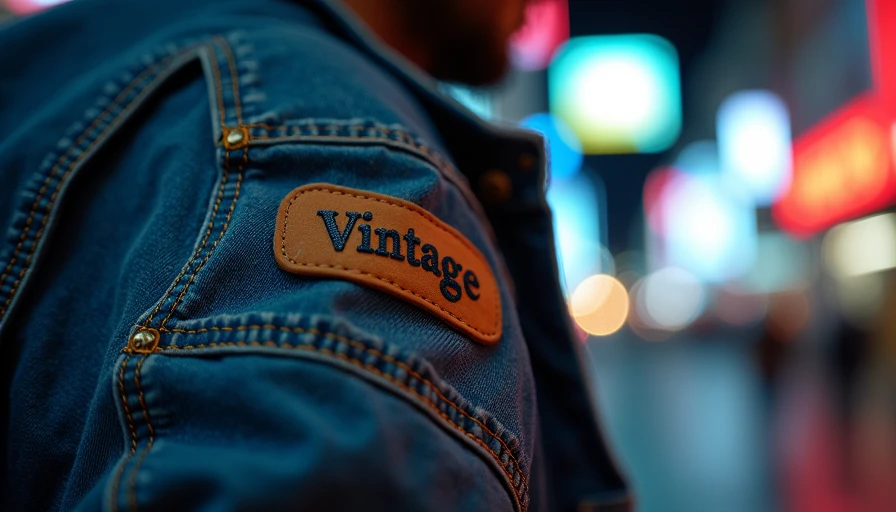
The environmental stats are compelling, but the **sustainable benefits of buying secondhand fashion** go deeper. Every piece I own comes with a sensory memory: the feel of a silk blouse I found at a Brooklyn flea market on a humid July afternoon; the faint scent of lavender in a 1980s dress from an estate sale in Hudson. When you buy new, you get a product. When you buy used, you get a history. That shift in perspective—from consumer to caretaker—is what makes secondhand shopping sustainable in a spiritual sense. You start to ask: Who wore this before me? What did they do in it? It’s a quiet antidote to fast fashion’s disposability.
How to Start Shopping Secondhand Without Feeling Overwhelmed
If you’re new to thrifting, start small. Pick one category—say, sweaters or denim—and commit to finding your next piece secondhand. Set a budget of $20. Go to a well-curated shop like Beacon’s Closet in Brooklyn or Buffalo Exchange. Look for natural fibers: cotton, wool, linen. They last longer and age beautifully. Don’t worry about perfection; I once bought a skirt with a loose button and fixed it in five minutes. The initial thrill of the hunt is real, but the joy comes later—when you slip on something that feels like it was made for you, even though it was made for someone else decades ago.
The Financial Benefit Nobody Talks About
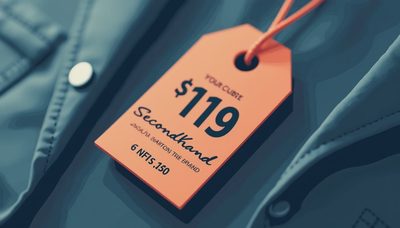
Let’s be honest: the price is a huge part of the appeal. I’ve built a wardrobe worth thousands for under $500. But the actual savings go beyond the sticker. Because secondhand clothes are usually higher quality than fast-fashion equivalents, they last longer. A polyester dress from a mall brand might fall apart after ten washes; a vintage wool skirt from the 1970s will outlast your grandchildren. Over time, you spend less per wear, and you stop needing to replace items every season. That’s sustainable for both the planet and your bank account.
Wrapping Up: The Quiet Joy of Secondhand
The **sustainable benefits of buying secondhand fashion** aren’t just environmental—they’re personal. They’re found in the satisfaction of a well-loved garment, in the stories you collect, in the money you save, and in the world you leave a little lighter. When you thrift, you become part of a quiet, slow revolution. And that’s a story worth wearing.
*Wear your story.*