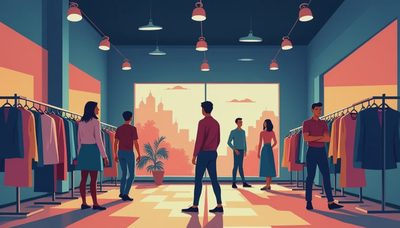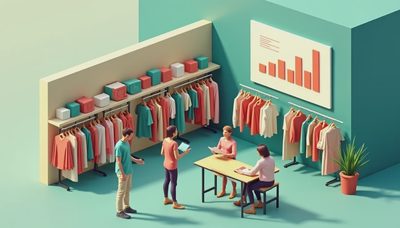
It started with a pair of jeans. I was standing in a fluorescent-lit chain store, holding a $20 pair of jeans that felt thin and stiff, like they’d fall apart after three washes. Across the street, a small thrift shop I’d passed a hundred times. That moment, I started weighing **fast fashion vs secondhand**—a comparison that would change how I dress, what I buy, and even how I see my own story.
I’m not here to preach. I spent years buying from fast fashion brands because that’s what I could afford. A $10 top, a $15 dress—it felt like a steal. But after months of those pieces pilling, fading, or just feeling… empty, I started wondering if there was a better way. That’s when I stumbled into Brooklyn’s secondhand world, and I haven’t looked back.
The Real Cost of Fast Fashion
Let’s be honest: fast fashion is tempting. It’s cheap, it’s everywhere, and it lets you follow every trend without breaking the bank. But the hidden cost goes beyond your wallet. Every cheap garment comes with a story of exploited labor, water pollution, and mountains of textile waste. According to the EPA, over 11 million tons of textile waste end up in U.S. landfills each year—most of it from fast fashion. That’s not just a statistic; it’s a pile of clothes I used to contribute to.
When I think about **fast fashion vs secondhand**, the ethical angle is hard to ignore. Fast fashion prioritizes speed and low cost, often at the expense of workers and the environment. Secondhand shopping, on the other hand, gives clothes a second life. It doesn’t demand new resources—it just passes on what already exists. That feels like a quieter, kinder way to dress. And let’s be real: nobody needs a new polyester dress every week.
Why Secondhand Won My Heart
Secondhand shopping isn’t just about being ethical; it’s about finding pieces with soul. I once found a wool blazer at a Goodwill for $12—navy with brass buttons, made in the USA. It had a small repair on the elbow, but that only made me love it more. Someone had worn that blazer to work, maybe to meetings, maybe to a date. Now it’s mine, and I wear it when I want to feel like I can take on the world. That’s the magic of secondhand: every piece has a history, and you get to add your own chapter.
In the **fast fashion vs secondhand** debate, secondhand also wins on quality. Many vintage and thrifted items were made to last—real stitching, natural fibers, thoughtful construction. Compare that to a fast fashion sweater that unravels after one wash. For about the same price, you can get something that lasts years. I’ve built a wardrobe of pieces I truly love, all under $30 each, from thrift stores, estate sales, and apps like Depop. It’s not about being cheap; it’s about being smart.
How to Navigate the Shift (Without Breaking Your Budget)
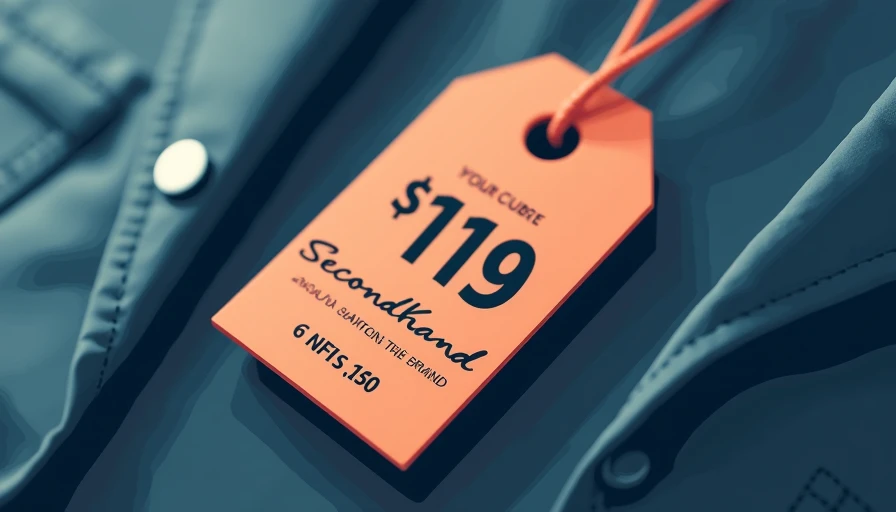
If you’re curious about **fast fashion vs secondhand**, but feel overwhelmed by thrift stores, start small. Pick one category—maybe T-shirts or dresses—and commit to buying only secondhand for the next month. Use apps like Poshmark or ThredUp to search for specific brands or sizes. I still buy basics like socks and underwear new, but almost everything else comes from secondhand sources now.
Another tip: learn to spot quality. Look for strong seams, natural fibers (cotton, wool, linen), and brand labels you recognize. Don’t be afraid to alter something—I’ve hemmed pants and taken in dresses for under $10 at a local tailor. The upfront cost is often lower than fast fashion, and the longevity makes it a steal. When I think about the money I’ve saved by not buying disposable clothes, it’s significant—hundreds of dollars per year, and my closet feels more like me.
The Personal Side of the Choice
This isn’t just about clothes; it’s about identity. Fast fashion makes you look like everyone else—it’s designed for the masses. Secondhand lets you find pieces that speak to you. I have a floral dress from the 70s that I found at a flea market in Williamsburg. It’s not trendy, but it’s mine. When I wear it, I feel like I’m wearing a story. That’s something no new fast fashion item can give me.
I’ve also learned to appreciate the process of hunting. Thrifting takes patience, but that makes each find feel like a treasure. The **fast fashion vs secondhand** debate ultimately boils down to what you value: speed and convenience, or meaning and sustainability. I’ve chosen the latter, and my style has never felt more authentic.
A Few Practical Tips for Beginners
- **Start with basics:** Look for classic pieces like denim jackets, button-down shirts, and leather bags secondhand. They’re easy to find and match everything.
- **Check for flaws:** Make sure zippers work, buttons are intact, and there are no major stains (unless you can fix them). Sanitize everything with a good wash or vinegar soak.
- **Use the right platforms:** In-store thrifting is great for the experience, but online apps like Vinted, Depop, and Mercari let you search by size and style. Set up alerts for items you want.
- **Be patient:** You won’t always find something. That’s okay. A good secondhand wardrobe takes time, but the payoff is a closet full of pieces you truly love.
Final Thoughts
When I weigh **fast fashion vs secondhand**, I see two very different stories. Fast fashion is a disposable chapter—easy, forgettable, and ultimately wasteful. Secondhand is a library of stories, each garment with a past and a future. I’d rather be a part of that library. If you’re on the fence, I encourage you to try just one secondhand purchase. You might find, like I did, that the story behind the clothes makes you want to wear them forever.
Wear your story.