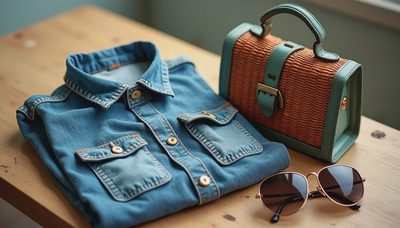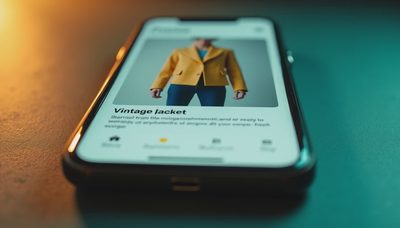
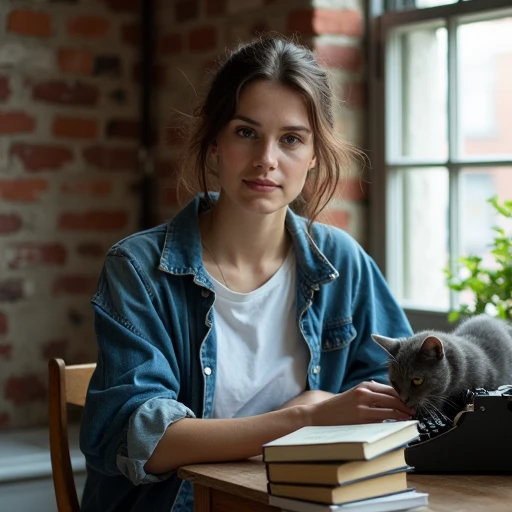
A few months ago, I decided to run a small ad campaign for my vintage finds on Instagram. I'd been reading about the best performing social media ads secondhand fashion businesses use, and I wanted to test it myself. My little thrift shop — really just a corner of my apartment and a Depop account — had been doing okay through organic posts, but I wondered if a few dollars in advertising could bring in new customers who hadn't stumbled across my feed yet. So I set a modest budget of five dollars a day, picked four items I loved, and started experimenting.
The first thing I learned is that not all platforms are created equal when it comes to selling secondhand clothes. I tried Instagram, Pinterest, and even a bit of TikTok. Each one felt like a different conversation.

Which Platforms Deliver the Best Performing Social Media Ads for Secondhand Fashion?
Instagram was my first stop because that's where my audience already lived. I ran photo ads for a 70s suede jacket and a pair of leather boots. The engagement was decent — lots of saves and comments — but the click-through rate to my Depop shop was lower than I hoped. Instagram's algorithm seems to favor video content now, so static images didn't perform as well as Reels. I noticed that the best performing social media ads secondhand fashion on Instagram were short videos showing the item on a real person (me) walking around Brooklyn, not just a flat lay on a bed. One day I filmed myself wearing the jacket while picking up coffee on Bedford Avenue, and that ad got three times the clicks of the studio-style photo.
Pinterest surprised me the most. I'd always thought of it as a place for inspiration, not direct sales. But when I created a Pin for a simple linen dress with a link to my shop, it got repinned over a hundred times in a week. The click-through rate was actually higher than Instagram, and the people who clicked seemed more ready to buy. Maybe because Pinterest users are already in a planning mindset, searching for outfit ideas or wardrobe staples. I learned to use long-tail keywords in my Pin descriptions, like "vintage linen dress summer wedding guest" to attract the right browsers.
TikTok, on the other hand, was tricky. I tried a paid promotion for a funky blazer, but the audience there seemed more entertained than interested in shopping. Organic TikTok got more traction for me — one video of me styling the blazer three ways got over fifty thousand views without any ad spend. So I decided to focus my ad budget on Instagram and Pinterest instead.
Based on my small experiment, Pinterest gave the highest return for the least money. But Instagram Reels ads came close when the video told a story and felt personal.
Crafting an Ad That Feels Like a Story
The second lesson was about the ad itself. I made a mistake early on: I used a generic product photo with a price overlay and a "shop now" button. It felt cold and transactional. Nobody wants to be sold to in a feed full of personal content. What worked was a fifteen-second clip of me putting on the jacket, adjusting the collar, and stepping out into the afternoon light on my street. I said nothing — just let the jacket be the main character.
That ad got twice the engagement of the flat lay. It also felt more honest, which is important when you're selling pre-loved clothes. People buying secondhand often worry about condition or fit. Seeing a real person in real lighting builds trust. I also included a line of text on the screen: "Found this at a thrift store in Bushwick for $12." That story hook made people curious. They wanted to know if they could find something similar.
I also learned to target my ads carefully. Instead of targeting everyone interested in "fashion," I went for narrower interests: "vintage clothing," "thrift shopping," "sustainable fashion," and "depop." That made a big difference in cost per click. The best performing social media ads secondhand fashion I ran were the ones that spoke directly to people who already loved the whole idea of worn-in clothes.
How Much Should You Spend?
Budget is where most small sellers get stuck. I started with five dollars a day, which felt risky for my tiny shop. But I quickly saw that a small, consistent spend worked better than a big burst. I spent about one hundred fifty dollars over a month and made back roughly four hundred dollars in sales — not a fortune, but a profit. The key was testing one platform at a time and pausing ads that weren't working.
If you're just starting, I would recommend a total budget of fifty to one hundred dollars spread over two weeks. Focus on one platform, one product, and one audience. Track everything. And do not be afraid to change your ad creative halfway through if it is not performing. I killed two ads that had a cost per click over one dollar and redirected that money to the one that was getting clicks for thirty cents.
You also need to factor in the cost of the product itself. Since I was selling items I had already thrifted for under ten dollars, my margins were big enough to absorb some ad spend. If you are sourcing higher-priced vintage, your budget math changes.
A Final Thought on Authenticity
Running ads for secondhand fashion feels different from promoting new goods. The whole appeal of vintage is that it is not mass-produced. Your ads should reflect that. Use real backgrounds, natural light, and your own words. Avoid stock photos or polished copy. Let the item's history — or the story you imagine for it — guide the ad.
At the end of the day, the best performing social media ads secondhand fashion aren't about the best algorithm or the biggest budget. They are about making someone feel like they have discovered something special. And that is something you cannot manufacture — you can only share.
Wear your story.