Fast Fashion Isn't Evil — It's Just Lonely
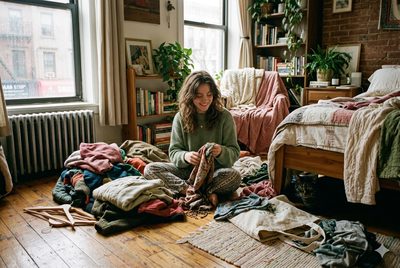
It was a rainy Wednesday evening when the realization hit me like a wet sock to the face. I was standing in my Williamsburg bedroom, staring at a pile of clothes I’d ordered online during a 2 a.m. moment of weakness. Three tops, two dresses, and a pair of jeans that already looked tired after two washes. I didn’t feel excited. I felt… hollow. Like I had just had a conversation with someone who talked a lot but said nothing meaningful.
That’s when I started thinking: fast fashion isn’t evil. It’s just lonely.
Don’t get me wrong — I’m not here to shame anyone (including my past self). I’ve had my fair share of late-night “Add to Cart” therapy sessions. When you’re twenty-something, broke, and trying to figure out who you are in a big city, those $9.99 tops that arrive in two days feel like a lifeline. They promise to fix your mood, your outfit, your entire Tuesday.
But here’s what I’ve noticed after years of observing my own closet and my own heart: fast fashion clothes don’t stick around long enough to become friends. They arrive excited, full of promise, get worn three times, lose their shape, pill like crazy, and then quietly get donated or stuffed in the back. They never get the chance to know you. They never absorb your stories.
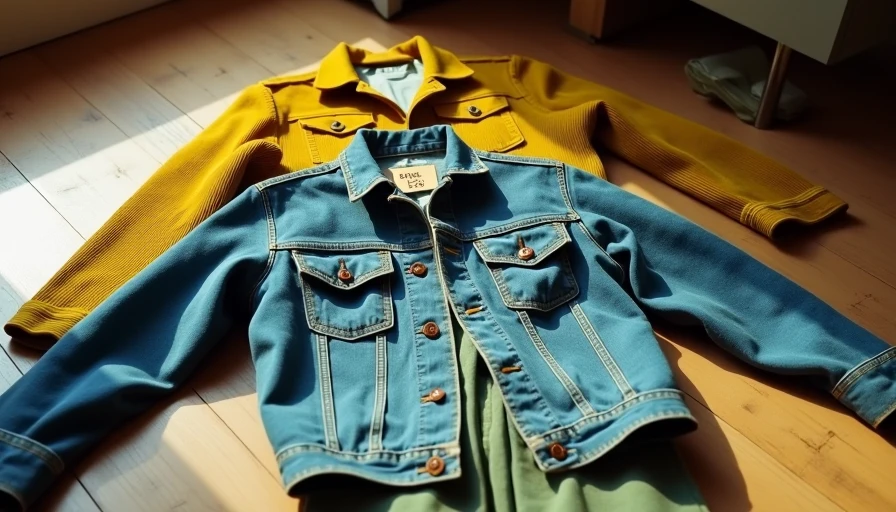
Compare that to my mustard-yellow corduroy jacket that has survived three apartments and one breakup. Or the olive linen trousers that have hiked the Appalachian Trail with me. Those pieces feel warm. They feel alive. They remember things.
Last month I did an experiment. I pulled out everything I’d bought new in the last two years — mostly fast fashion pieces. Then I pulled out my favorite thrifted and vintage items. The difference in how I felt touching them was shocking. The new stuff felt cold and generic. The old stuff felt like old friends — a bit worn, a bit imperfect, but deeply comforting.
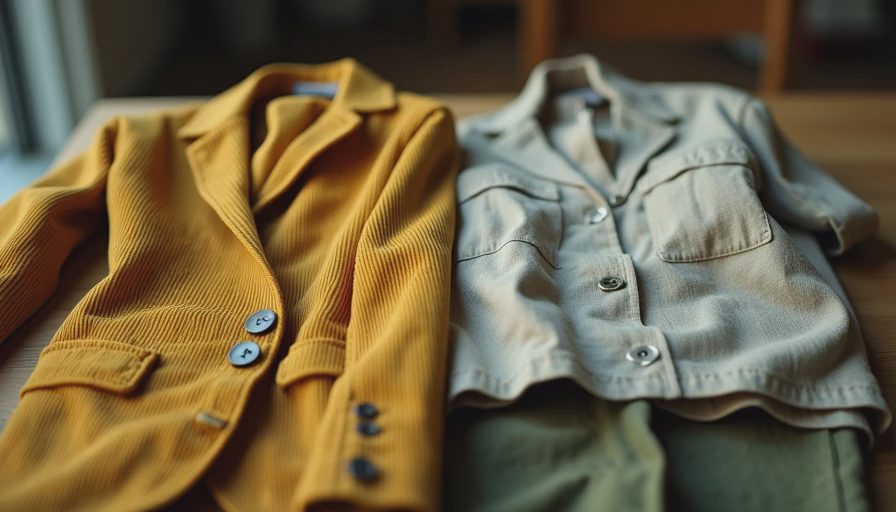
I think fast fashion’s biggest flaw isn’t that it’s cheap or trendy. It’s that it’s designed to be temporary. The clothes are made to be replaced quickly, so they never get the opportunity to become part of your life. They’re like acquaintances you grab coffee with once and never really connect with. Pleasant enough, but lonely.
Don’t get me wrong — I still own fast fashion pieces. Some of them I genuinely like. The soft black long-sleeve tee I wear when I’m sick? I love that thing. The problem isn’t the existence of affordable clothes. The problem is when they become the only way we relate to what we wear. When shopping becomes entertainment instead of curation. When we buy something because it’s new rather than because it feels like it belongs in our story.
I’ve been trying to shift my relationship with clothes. Now, before I buy anything — new or old — I ask myself three questions:
Will I still want to wear this in two years?
Does this piece feel like it could collect memories with me?
Am I buying this because I need it, or because I’m bored/sad/stressed?
The answers are surprisingly honest when you actually listen.
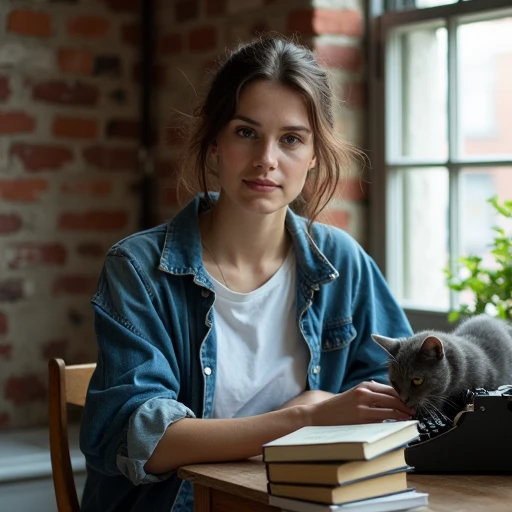
One of my favorite recent finds was a slightly faded denim jacket from 1987 (yes, the tag was still inside). The previous owner had written her name and “Summer ‘87” on the label in tiny handwriting. I wear it constantly. Every time I put it on, I wonder what she was doing that summer. Did she fall in love? Did she cry in it? Did she dance at a concert? That jacket already has a life. I’m just continuing the story.
Fast fashion doesn’t give us that gift. It arrives blank and leaves before any real connection happens.
I’m not suggesting we all become perfect slow-fashion saints. That’s unrealistic and honestly quite boring. What I am suggesting is more awareness. More curiosity. More willingness to let clothes stay in our lives long enough to mean something.
The quiet beauty of wearing something that has already been loved is hard to describe until you experience it. There’s a softness that comes with time — softened elbows, slightly faded colors, a hem that’s been repaired once or twice. These aren’t flaws. They’re proof of life.
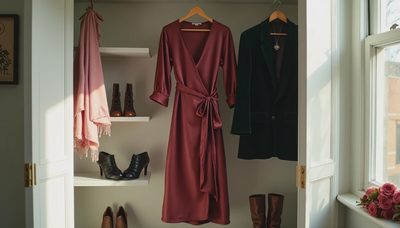
On days when I feel disconnected from myself, I reach for the clothes that know me. The raincoat that has walked with me through bad days. The sweater that has absorbed happy tears and sad ones. The boots that have carried me up mountains and back home again.
They remind me who I am when the world feels too loud.
So no, fast fashion isn’t evil. It’s just a bit lonely — rushing in and out of our lives without ever really knowing us. And maybe we deserve clothes that stick around long enough to become part of the story.
I’m still learning. Some weeks I do better than others. But every time I choose a piece with history over something brand new and shiny, I feel a little more grounded. A little more like myself.
And that feeling? It’s worth way more than any lightning-fast delivery.
Wear your story.