Last Saturday, I found myself standing in a cramped Goodwill in Bushwick, sifting through a rack of polyester blouses that had seen better decades. I was trying to evaluate eBay on sustainable & secondhand fashion—to see if the internet’s biggest garage sale could replace the thrill of the hunt I’d always loved in physical thrift stores. My closet was in need of a refresh, but my budget and my ethics were pulling me toward secondhand. eBay seemed like the obvious answer: millions of items, global shipping, and the promise of sustainability without leaving my apartment. But I had to know if it really delivered.
Why I Decided to Evaluate eBay on Sustainable & Secondhand Fashion
For years, my sustainable shopping ritual involved Saturday mornings at estate sales and church bazaars. I loved the dust smell, the small talk with sellers, the serendipity of finding a 1960s camelhair coat for $30. But after a move to a new neighborhood without a single thrift shop within a mile, I started browsing eBay out of desperation. I told myself I was just window-shopping. But soon I was bookmarking listings, reading descriptions, and wondering: could this replace my beloved weekend ritual? So I set out to evaluate eBay on sustainable & secondhand fashion properly—no half hearted scrolling. I would treat it like a research project: search consistently for a month, track prices, note condition accuracy, and see if the platform could become a reliable source for my quiet wardrobe.
I started with categories I knew well: vintage denim, cashmere sweaters, leather bags. I set a budget of $50 per item and limited myself to listings with real photos (not stock images). I also made a rule: only buy from sellers with good feedback and clear return policies. Because part of evaluating eBay for sustainable fashion was about trust—can you really feel good about buying secondhand when you can’t try things on?
The Reality of Shopping eBay for Secondhand
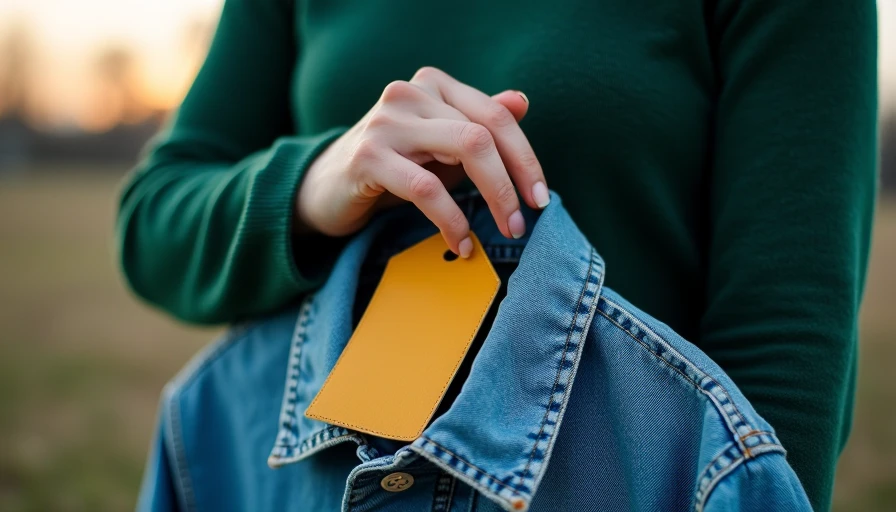
The first few weeks were messy. I learned that “vintage” on eBay can mean anything from 1980s to “I bought this last year but didn’t wear it.” The search filters are powerful but flawed: you can sort by condition, but “pre-owned” includes everything from pristine to stained. I bought a pair of Levi’s 501s that were described as “good vintage condition” but arrived with a frayed crotch that made them unwearable. That cost me return shipping and a lesson in reading between the lines. But I also struck gold: a cashmere J.Crew turtleneck for $18 that smelled like cedar and fit like it was made for me. And a Dooney & Bourke crossbody for $22 that I’d been eyeing on Poshmark for double the price. Those wins made me want to keep going.
What I found was that evaluating eBay on sustainable & secondhand fashion requires patience and a thick skin for disappointment. The search algorithm tends to surface the same items over and over, and desirable pieces often get snatched up within hours. You have to check daily, and even then, the best finds feel like accidents. But that’s also part of the magic—when you do score, it feels earned. And because the prices are often lower than Depop or even some thrift stores, the sustainability win is real: you’re keeping clothes out of landfills and often paying less than fast fashion prices.
How eBay Compares to Other Thrifting Methods
I’ve spent years on Depop, Poshmark, and in physical thrift stores. Each has its rhythm. Depop feels curated but overpriced; Poshmark is better for brands and negotiation but crowded with flippers. Thrift stores are treasure hunts but limited by location and inventory. eBay, I discovered, sits somewhere in between. Its scale is unmatched: you can find a 1950s cocktail dress from a seller in Hungary and a Patagonia fleece from Oregon in the same search. The auction system adds a layer of strategy—you can win items for absurdly low prices if you’re willing to wait and bid at the last second. But that same system means you can’t always rely on getting what you want. For sustainable fashion, eBay is a wildcard. It rewards persistence and a good eye for photo quality. It punishes impulse and laziness.
Tips for Making the Most of eBay’s Sustainable Side
After a month-long experiment, here are the strategies that helped me evaluate eBay on sustainable & secondhand fashion effectively:
- **Use saved searches and notifications.** eBay will email you when new listings match your keywords. For example, "vintage Levi's 501 size 29" or "cashmere turtleneck size M." This saves hours of refreshing.
- **Check seller locations for sustainability.** A seller in your state or region means less shipping miles. I filter by distance when possible, though it’s not always accurate.
- **Read descriptions like a detective.** Look for keywords like "smoke-free home," "pet-free," "stored folded." If the description is vague, assume the worst. Ask questions before buying.
- **Stick to “Buy It Now” for certainty.** Unless you’re patient and don’t mind losing, auctions can be a gamble. BIN lets you lock in the price and condition you saw.
- **Bundle multiple items from the same seller.** This reduces packaging and shipping emissions. I once bought five vintage scarves from one seller in Ohio—they arrived in a single box with reused bubble wrap.
My Final Verdict on Evaluating eBay for Sustainable Fashion
So did I end up replacing my Saturday thrift ritual? Not entirely. There’s something about touch and smell that can’t be digitized. But my evaluate eBay on sustainable & secondhand fashion journey taught me that the platform is a powerful tool for a sustainable wardrobe—if you use it intentionally. I now check eBay first when I need a specific item, like a heavy wool coat or a crossbody bag. I’ve built a small collection of pieces that have stories: the cashmere sweater from a grandma in Vermont, the leather belt from a vintage dealer in Texas, the jean jacket that smells faintly of someone else’s campfire. Each one is a reminder that sustainable fashion isn’t just about the planet—it’s about connecting with objects that have lived before us.
If you’re curious about giving eBay a shot, start small. Pick one item you’ve been wanting, set a budget, and follow the tips above. Let yourself be surprised by what comes your way. And remember: every piece you buy secondhand is a story you’re choosing to continue. Wear your story.
*— Chloe*