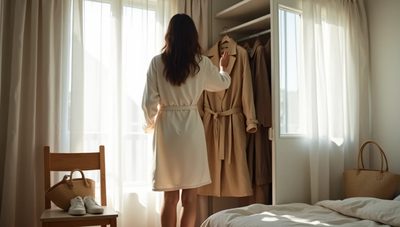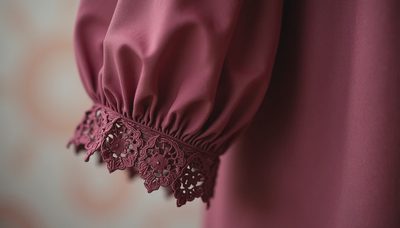
I remember the first time I stumbled into the world of osv secondhand fashion. It was a rainy Saturday in Brooklyn, and I was scrolling through Depop out of boredom, not expecting much. But then I found a 1980s wool blazer—soft, slightly moth-eaten at the cuffs, with a tailor's label sewn inside from a shop in Boston that closed decades ago. It cost me $14. That blazer didn't just keep me warm; it came with a story. And that's what osv secondhand fashion is really about: the stories we inherit when we choose clothes that have been loved before.
What Exactly Is OSV Secondhand Fashion?
OSV stands for Online Secondhand Vintage—a term I've been using to describe the growing ecosystem of digital marketplaces where pre-loved clothes find new homes. Unlike traditional thrift stores, osv secondhand fashion lives on platforms like Depop, Poshmark, Vinted, and The RealReal. It's curated by sellers who care about quality and history, not just volume. When you buy into osv secondhand fashion, you're shopping from someone's personal collection—a vintage Levi's jacket that survived a cross-country road trip, a silk slip dress worn to a prom in 1995. Each piece has a past, and you get to add your own chapter.
The beauty of osv secondhand fashion is its accessibility. You don't need to live near a Goodwill in a wealthy neighborhood or spend hours sifting through racks. You can search by era, fabric, even button style. It's thrifting with intention, and it has completely changed how I dress.
How I Fell Into OSV Secondhand Fashion
It started with a disappointment. I had saved up for a new coat from a trendy ethical brand—$280, organic cotton, fair trade. When it arrived, it felt flat. No history, no character. It was just... a coat. So I returned it and opened Depop on a whim. I typed "vintage wool coat" and found a charcoal grey number from the 90s, Italian-made, with a broken zipper I fixed for $8 at a local tailor. Total cost: $22. That coat has been my winter staple for three years. Every time I wear it, I think about the woman who owned it before me—maybe she wore it to work in Manhattan, maybe to a protest. That's the power of osv secondhand fashion.
Three Reasons OSV Secondhand Fashion Transformed My Wardrobe
**1. Unmatched Quality for Less Money**
Spend $30 on osv secondhand fashion and you can own a 100% wool Pendleton skirt or a leather handbag from the 70s with brass hardware that still shines. New fast fashion at that price point unravels after two washes. I've built a closet of investment pieces for penny fractions—my vintage Burberry trench cost $45 on Poshmark; a new one would run ten times that.
**2. Instant Uniqueness**
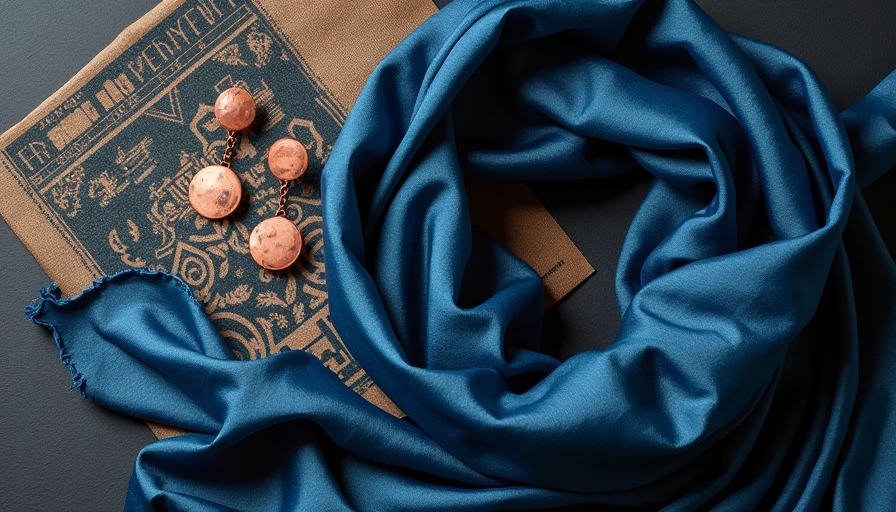
Show up at a gathering wearing osv secondhand fashion, and you won't see yourself in three other people. That embroidered Mexican blouse, those high-waisted paperbag trousers with a hidden pocket—they're one-of-a-kind finds. My most complimented outfit came entirely from secondhand sources: a silk scarf I bought for $6, a tweed skirt I found at an estate sale in New Jersey, and a plain turtleneck from a thrift bin.
**3. Environmental Ethics Without the Lecture**
I don't want to preach about the fashion industry's waste problem. But when you shop osv secondhand fashion, you naturally participate in a circular economy. You're not demanding new resources or supporting exploitative labor. It's the quietest form of activism—just buying what's already there.
Tips for Navigating OSV Secondhand Fashion Online
To make the most of osv secondhand fashion, you need to develop a strategy. Here's what works for me:
- **Know your measurements.** Vintage sizing is wildly different from modern. Always ask sellers for pit-to-pit and shoulder measurements. I keep a tape measure next to my computer.
- **Follow the right sellers.** On Depop, I follow shops that specialize in 70s prairie dresses or 90s minimalism. Their curated feeds save me hours.
- **Search with foundry terms.** Don't just type "vintage shirt"—try "Hawaiian silk shirt 80s" or "collarless blazer 60s."
- **Negotiate politely.** Sellers often expect offers. I saved $10 on a pair of Frye boots just by asking nicely.
- **Check the fabric composition.** You want natural fibers—cotton, wool, silk, linen. Polyester from the 80s doesn't breathe.
The Emotional Side of OSV Secondhand Fashion
There's a tenderness to wearing osv secondhand fashion. You become the keeper of someone else's memories. I have a floral sundress that I bought from a seller in Oregon who wrote me a note: "I wore this to my sister's wedding in 1998. I hope you have a great time in it too." That connection is something new clothes can never offer. It makes getting dressed feel like an act of remembrance, not just consumption.
Last week, I found a pair of vintage cowboy boots in a size seven—my size—for $20. The leather was cracked, the heels worn down. I took them to a cobbler who resole them for $35. Now they're my favorite shoes. They feel like they've already lived a life, and now they're part of mine.
Why I'll Never Go Back to Buying New
OSV secondhand fashion isn't a trend for me; it's a philosophy. It's about slowing down, paying attention, and letting clothes tell their stories. I still buy some basics new—underwear, white t-shirts—but for everything else, I look to the secondhand market. My closet is a library of other people's histories, and I love that.
*Wear your story.*