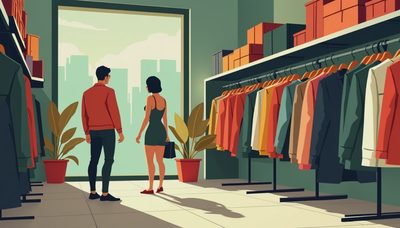
I found the blazer on a rainy Saturday at a thrift shop in Bushwick. It was $14, brown tweed, with elbow patches that looked like they'd been sewn by someone who cared. That afternoon, I didn't just buy a jacket—I bought into the idea that affordable secondhand fashion for eco conscious buyers is more than a trend; it's a way of curating a life. For the eco conscious buyer, every thrifted piece is a small rebellion against fast fashion, a vote for history over hype.
Why Secondhand Speaks to the Eco Conscious Buyer
There's a quiet power in wearing something that existed before you did. When you choose secondhand, you keep that garment out of a landfill, avoid the resource-heavy production of new clothes, and often save money too. But beyond the environmental pitch, affordable secondhand fashion for eco conscious buyers offers something deeper: a sense of discovery. I still remember the smell of mothballs and old wood in the corner of that Bushwick shop—the way the blazer felt heavy and warm, like it had stories to tell.
How to Start Thrifting Without Overwhelm
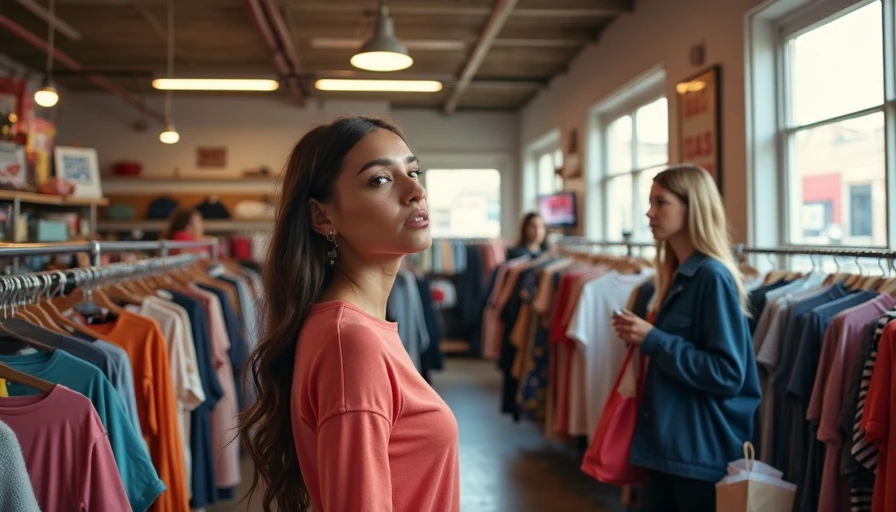
If you're new to secondhand shopping, start small. Pick one category—say, jackets or denim—and limit yourself to that. I always head to the outerwear section first. Look for natural fibers like wool, cotton, and silk; they last longer and feel better. Check for stains, holes, or missing buttons—but don't let a loose thread scare you off. A $10 thrift find with a simple repair can become a beloved piece. Affordable secondhand fashion for eco conscious buyers isn't about perfection; it's about potential.
Where to Find the Best Deals
Your local thrift store is the obvious place, but don't overlook estate sales, church sales, and online resale platforms like Depop and Poshmark. I've found vintage Levi's for $20 and cashmere sweaters for $8. My secret? Go midweek, early morning, when the racks are less picked over. And be patient—sometimes the best affordable secondhand fashion for eco conscious buyers takes a few trips to find. For eco conscious buyers, the hunt becomes part of the experience.
Styling Secondhand Finds for a Modern Look
The key to wearing thrifted clothes without looking like you're in costume is mixing old with new. Pair a vintage blazer with simple jeans and a white tee. Let the statement piece be the star. I once wore that tweed blazer with a plain black dress from Target and got more compliments than on any new purchase. Affordable secondhand fashion for eco conscious buyers allows you to experiment—take risks on patterns or silhouettes you wouldn't buy new, because the price is low enough that failure is cheap.

Building a Sustainable Wardrobe Over Time
Sustainability isn't a single action; it's a habit. Start by replacing one fast fashion item with a thrifted alternative each month. Soon you'll notice your closet becoming a collection of stories rather than a pile of trends. For eco conscious buyers, affordable secondhand fashion becomes a lifestyle—one that reduces waste and enriches your personal style. I keep a notebook where I record every thrifted item with the date and location. It's my little archive of memories.
Common Myths About Thrifting
Some think secondhand means worn out or unfashionable. But the truth is many thrift stores receive donations of barely worn pieces. People outgrow sizes, change tastes, or declutter. Last month I found a Theory blazer with tags still on—retail $400, paid $25. Affordable secondhand fashion for eco conscious buyers is about knowing where to look and being open to the unexpected. Another myth: it's only for certain body types. Thrifting offers diversity in sizing if you dig through different brands and eras. The key is to try things on and celebrate what fits, not fight what doesn't.
Quick Checklist for a Successful Thrifting Trip
Before you head out, review this checklist to maximize your finds and stay on track. * **Set a budget.** Bring cash in small bills to avoid overspending. * **Wear easy-to-remove layers.** You'll be trying on clothes over your own, so slip-on shoes and simple bottoms help. * **Bring a measuring tape.** Sizes vary wildly across brands and eras; know your waist, inseam, and shoulder width. * **Inspect everything.** Check for stains, rips, and missing buttons. Minor flaws are fixable, but major damage might not be worth it. * **Look for natural fabrics.** Wool, cotton, linen, and silk breathe better and last longer than synthetics. * **Keep an open mind.** Sometimes the best finds are items you'd never consider new—that mustard yellow cardigan could become your favorite layering piece. Following this checklist turns affordable secondhand fashion for eco conscious buyers into a deliberate, rewarding practice.
A Final Thought
Every time I wear that tweed blazer, I think about its previous owner—someone who wore it to meetings, maybe to a daughter's wedding, then passed it on. That continuity matters. For the eco conscious buyer, affordable secondhand fashion isn't a compromise; it's a choice to wear your story and the stories of others. Next time you're looking for something new to wear, shop old first. You might find more than a garment—you might find a piece of someone else's life that fits perfectly into yours.
*Wear your story.*